
STANAG 6001 Level 3 – Writing Task (Report): Globalization – Causes, Impacts and Policy Responses
Examination Task
Write a minimum of 200 words on the topic below.
Globalization has caused the world to shrink in many ways and it has had a profound impact on people’s lives. In your composition, write about
- the reasons for globalization,
- the positive and negative impacts of globalization,
- measures to be implemented to alleviate the disadvantages of globalization.
Sample Answer
Report
Subject: Globalization – Causes, Impacts and Policy Responses
Introduction
This report examines the phenomenon of globalization and its impact on modern societies. It outlines the main reasons for the development of globalization, analyses its positive and negative consequences, and proposes measures to mitigate its adverse effects.
Reasons for Globalization
Globalization is the growth of interdependence between states, companies and people on a global scale. This process has been driven primarily by technological progress. Advances in digital communication, the internet, and modern transport systems have significantly reduced geographical barriers, enabling the rapid flow of goods, capital and information. Trade liberalisation and the removal of tariff barriers have further intensified international exchange, supported by institutions such as the World Trade Organization.
Foreign direct investment and the expansion of multinational corporations have integrated national economies into global supply chains. Political transformations, including the liberalisation of post-socialist economies and the growing role of international institutions have strengthened international cooperation and economic interdependence.
Positive and Negative Impacts
Globalization has contributed to economic growth by expanding markets and stimulating competition. It has facilitated technology transfer, innovation and job creation, especially in developing countries. The rapid growth of Asian markets (notably in China, India, Japan, South Korea, Indonesia, Taiwan and Singapore) has significantly accelerated global trade and production networks. These economies have become key manufacturing hubs and major consumer markets. Furthermore, cultural globalization is progressing, leading to greater exchange of ideas, lifestyles and cultural products such as music, films, literature and digital content in the world.
However, the benefits of globalization are unevenly distributed. While some economies expand, others experience industrial decline and rising unemployment. Exploitation of foreign workers is also a serious concern in many global supply chains. Workers in developing countries are often subjected to poor working conditions, low wages, and human rights violations. The logic of globalization is based on reducing costs. It also facilitates various criminal activities such as arms trade, drug smuggling and human trafficking, and contributes to social problems.
Increased economic interdependence also makes national markets and financial systems more vulnerable to global financial crises. Moreover, intensified production contributes to environmental degradation, rising carbon emissions, deforestation and ecological disasters, thereby posing long-term sustainability challenges. Furthermore, cultural globalization raises concerns about the loss of local traditions and cultural identity.
Measures to Alleviate Disadvantages
Governments should pursue balanced policies that combine economic openness with effective regulation. Fair taxation of multinational enterprises and stronger labour and environmental standards would reduce inequality and ecological damage. Companies must offer fair wages, invest in local communities and regularly audit their supply chains. Such measures could limit social tensions and support more equitable distribution of economic benefits. Generally, enhanced international cooperation is essential to ensure that globalization contributes to sustainable development.
Conclusion
Globalization is a process that leads to increased global interdependence and integration among people, countries and institutions. It is a dynamic and irreversible process that offers significant opportunities but also creates many challenges. Its long-term impact depends on responsible governance at both national and international levels.
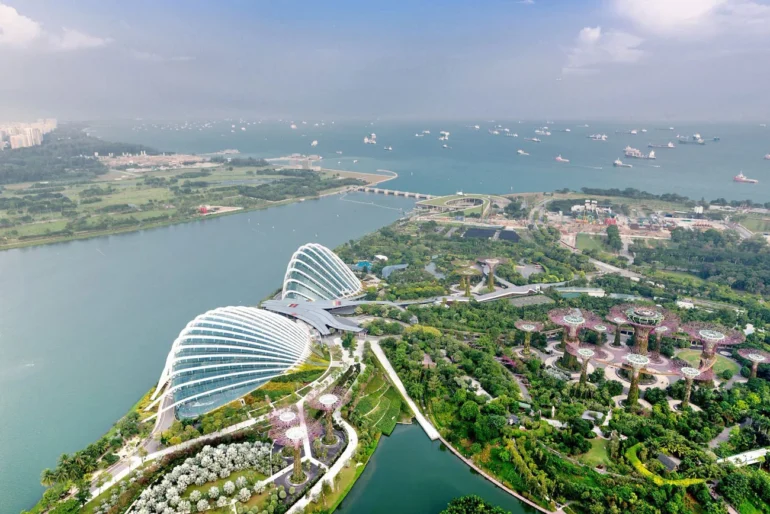
Photo: Gardens by the Bay, Singapore