
STANAG 6001 Level 3 – Writing Task (Report): The Problem of Obesity in Contemporary Societies
Examination Task
Write a minimum of 200 words on the topic below.
The obesity has become a significant problem these days. Write a report in which you
- describe the problem of obesity among people nowadays,
- assess its consequences, and
- suggest possible solutions to the problem.
Sample Answer
Report
Subject: The Problem of Obesity in Contemporary Societies
Introduction
The aim of this report is to describe the growing problem of obesity, assess its main consequences and suggest possible solutions. In recent decades, obesity has become a significant public health concern affecting both developed and developing countries. The increasing number of overweight adults and children indicates that this issue requires systematic analysis and coordinated action.
The Current Situation
Obesity is generally defined as excessive body fat accumulation that presents a risk to health. Sedentary lifestyles, reduced physical activity and the widespread availability of highly processed food contribute significantly to this problem. Urbanisation and technological development have also limited daily physical movement, as many people work in office-based environments and rely on motorised transport. The COVID-19 pandemic further exacerbated the issue due to reduced physical activity and changes in lifestyle.
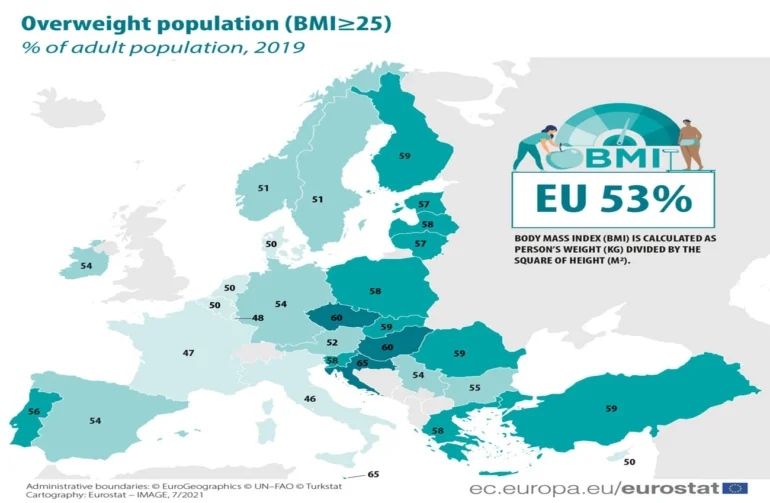
National and international reports confirm that obesity rates are steadily increasing, particularly among children and adolescents. Recent data indicate that a significant proportion of the population in Poland and other EU countries is overweight, exceeding the European average. Unhealthy eating habits are increasingly common among younger age groups, potentially leading to long-term health problems.
Consequences of Obesity
The consequences of obesity are both medical and socio-economic. From a health perspective, obesity increases the risk of chronic diseases such as diabetes, cardiovascular disorders and hypertension. It may also contribute to joint problems and reduced life expectancy. In addition, obesity can negatively affect mental health, leading to low self-esteem and social isolation.
From a socio-economic perspective, higher healthcare costs and reduced workforce productivity create an additional burden for public health systems and national economies.
Possible Solutions
Addressing obesity requires a comprehensive and long-term strategy. Firstly, governments may introduce public health campaigns promoting balanced diets and regular physical activity. Secondly, schools can play a crucial role by providing nutrition education and ensuring access to healthy meals. Moreover, urban planning policies that encourage active lifestyles, such as the development of parks and cycling infrastructure, may contribute to increased physical activity. Regulation of food advertising targeting children could also reduce unhealthy consumption patterns. Additional measures may include promoting reduced consumption of sugary beverages and encouraging healthier dietary choices from an early age.
Conclusion
Obesity represents a complex and multifaceted challenge with serious health and economic consequences. Effective prevention strategies, public awareness initiatives and institutional cooperation are essential to limit its long-term impact. Without coordinated action, the prevalence of obesity is likely to continue rising in the future.