
STANAG 6001 Level 3 – Writing Task (Report): Nuclear Power as an Energy Source
Examination Task
Write a minimum of 200 words on the topic below.
Some countries are investing in nuclear power plants, stating they offer the best way of generating electricity. Write a report in which you:
- describe the reasons why the use of nuclear power is beneficial
- discuss the problems and threats nuclear power can pose
- suggest how your country should approach the question of nuclear power and explain why
Sample Answer
Report
Subject: Nuclear Power as an Energy Source
Introduction
The aim of this report is to examine the benefits and risks of nuclear energy, and to suggest how Poland should approach the development of nuclear power. Some countries argue that nuclear energy provides a reliable and low-emission source of electricity, while others highlight potential dangers and environmental concerns.
Benefits of Nuclear Power
Nuclear energy provides large amounts of electricity with very low greenhouse gas emissions, supporting environmental protection and efforts to limit climate change. It reduces dependence on fossil fuels such as hard coal and lignite and offers a stable energy supply independent of weather conditions. Nuclear power is highly efficient, producing significant amounts of energy from relatively small quantities of fuel. Local communities may benefit from new employment opportunities linked to the construction and operation of nuclear facilities. Additionally, domestic nuclear energy production reduces reliance on imported energy resources. These factors indicate that nuclear power can be an important element of sustainable and diversified energy strategies.
Problems and Threats
Major accidents at nuclear plants could cause long-term radioactive contamination and health risks, although modern safety systems make such events unlikely. Nuclear energy also produces radioactive waste that must be securely stored to avoid environmental pollution. The cost of fissile materials and advanced nuclear technology is high, contributing to significant investment requirements. Construction and decommissioning of nuclear facilities demand substantial financial resources and land use. Public concerns about safety and costs may influence political decisions. Continuous operation of reactors is necessary, as frequent shutdowns are economically inefficient.
Approach for Poland
Poland should adopt a balanced strategy in energy development, as nuclear power can enhance energy security and reduce dependence on fossil fuels while supporting environmental objectives. Nuclear energy complements renewable sources and contributes to stable electricity production, which is important for long-term economic and social development. The nuclear programme also requires skilled staff for construction, operation and safety management.
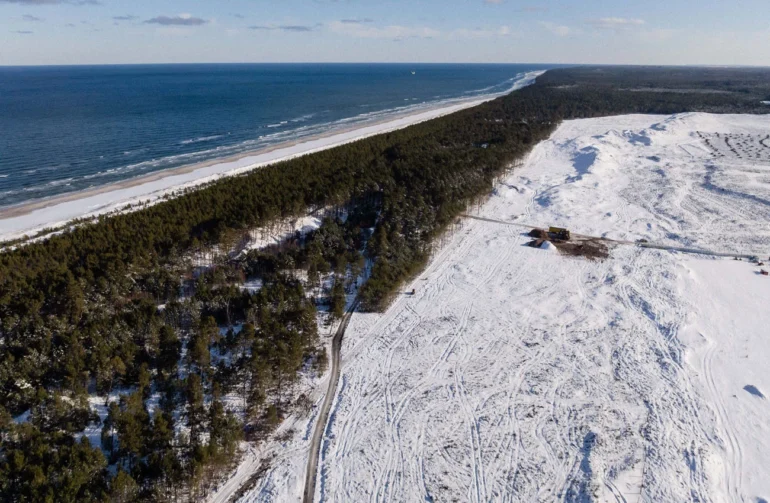
Under the Polish Nuclear Power Programme, the first nuclear power plant, with a capacity of up to 3750 MW, will be built in the Choczewo municipality on the Baltic coast. Construction is scheduled to start in 2028, with the first of three reactors commissioned in 2036. A second nuclear power station is also planned at a yet-undecided location.
Conclusion
Nuclear power presents both opportunities and risks. For Poland, development of nuclear energy could contribute to environmental objectives and stable electricity production, provided that strict safety standards and effective regulatory oversight are maintained. Combining nuclear energy with renewable sources may help ensure a reliable and diversified electricity system in the future.
Photo: Site of the Poland’s future nuclear power plant in the Choczewo municipality on the Baltic coast, Pomeranian Voivodeship, February 2026 © Polskie Elektrownie Jądrowe