
STANAG 6001 Level 3 – Writing Task (Report): Food Insecurity: Causes and Solutions
Examination Task
Write a minimum of 200 words on the topic below.
There are still countries in the world whose inhabitants suffer from hunger and malnutrition. Write a report about this situation, in which you:
- describe the reasons why people suffer from the lack of food in some countries
- discuss in what ways these people can be helped
- assess which method(s) might be the most effective in the long run
Sample Answer
Report
Subject: Food Insecurity: Causes and Solutions
Introduction
The aim of this report is to examine the reasons why people in some countries continue to suffer from hunger and malnutrition, to discuss possible forms of assistance, and to assess which measures may prove most effective in the long term.
Causes of Food Shortages
Food insecurity is caused by a combination of economic, political and environmental factors. Armed conflicts remain one of the primary drivers of hunger, as they lead to the destruction of crops and food stocks and deprive people of the income necessary to purchase food. The instability in countries such as Yemen, South Sudan, Somalia, Mali, Nigeria, Guinea and Cameroon has disrupted agricultural production and limited access to food supplies.
Economic instability and poverty limit people’s ability to purchase sufficient food, even when it is available on local markets. In addition, extreme weather events and climate change have reduced crop yields in vulnerable regions, particularly in parts of Sub-Saharan Africa. Prolonged droughts, floods, soil degradation and pest infestations significantly affect food availability. In many food-insecure countries, large segments of the population lack access to education, employment opportunities and land ownership. Social mobility is also limited, making it difficult for individuals to improve their economic status. As a result, even when food is available in markets, many households cannot afford adequate nutrition.
Possible Forms of Assistance
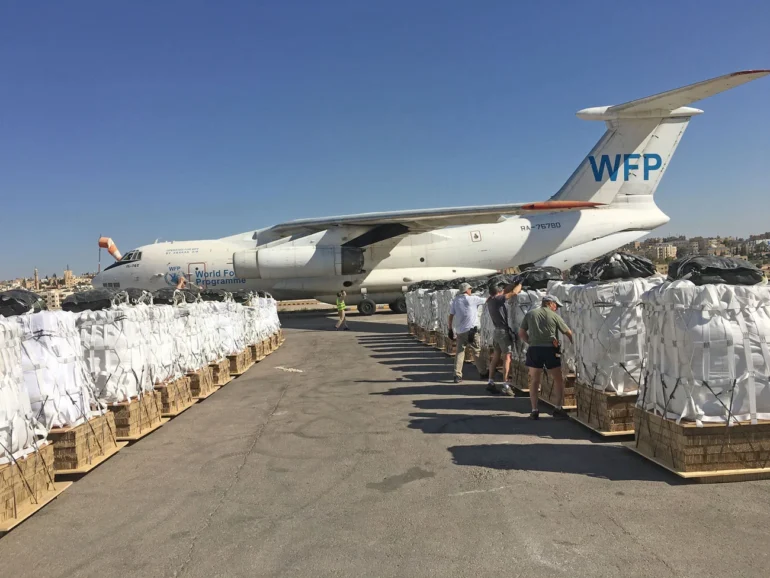
Several forms of assistance may help address this problem. In the short term, humanitarian food aid delivered by international organisations such as the UN World Food Programme plays a crucial role in preventing famine and severe malnutrition. Many states, including Poland, provide development assistance through their foreign ministries, thereby contributing to food security programmes in regions affected by hunger. These measures are essential in preventing famine and reducing child mortality.
In the long term, investment in sustainable agriculture, rural infrastructure and education is crucial. Supporting small-scale farmers, improving irrigation systems and strengthening local markets can enhance food security. Furthermore, anti-corruption measures, improved governance and policies aimed at reducing social inequalities are necessary to address the root causes of hunger.
Assessment of Long-Term Effectiveness
While the nutrition programmes are vital during crises, structural measures are indispensable in the long term. Strengthening local agricultural capacity, improving infrastructure and promoting political stability contribute to sustainable food security. Therefore, development-oriented strategies combined with humanitarian assistance are likely to provide the most durable solution.
Conclusion
Hunger and malnutrition result from interconnected political, economic and environmental factors. Although immediate food aid remains necessary, long-term investment in sustainable development and stability offers the most effective approach to reducing global food insecurity.
Photo: United Nations Humanitarian Air Service © UN World Food Programme