
Cambridge English Exams
C1 Advanced Essay Writing: Helping students find suitable jobs
Example Exam Task
Your class has taken part in a seminar on whether the education system does enough to help young people to find jobs which fit their abilities and interests. You have made the notes below.
Methods schools and universities use to help students find suitable jobs:
- providing courses and qualifications
- work experience programmes
- careers advice
Some opinions expressed in the seminar:
- ‘We study lots of things which we’ll never use in any future jobs.’
- ‘Without work experience you’d have no idea what to study at university.’
- ‘Some of my teachers can’t give me advice because they’ve never done any job other than teaching.’
Write an essay discussing two of the methods in your notes. You should explain which method is more effective, giving reasons in support of your answer. Write 220 – 260 words in an appropriate style.
You may, if you wish, make use of the opinions expressed in the seminar, but you should use your own words as far as possible.
Example Essay
Helping students find suitable jobs
In recent years, considerable attention has been paid to whether the education system adequately prepares students for careers that match their abilities and interests. During a recent seminar, several methods were discussed, including work experience programmes and careers advice, which are often part of secondary school and university curricula. While both play an important role, it can be argued that work experience programmes are the more effective approach.
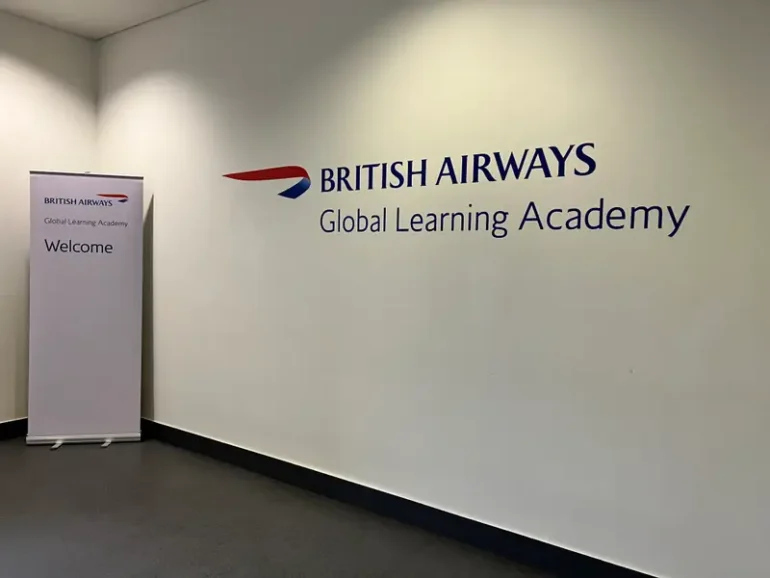
On the one hand, work experience programmes, often incorporated into the curriculum of secondary schools and universities, offer students direct insight into the realities of the workplace. By spending time in a company or organisation, such as British Airways, students can observe daily tasks, working conditions, and professional expectations. This enables them to assess whether a particular field genuinely suits their skills and personality. In this way, practical exposure can prevent misguided educational choices and increase motivation to pursue a suitable career path. Moreover, many internships are paid, providing students with an income while gaining valuable experience.
On the other hand, careers advice is intended to guide students in making informed decisions about their future. Professional counsellors and teachers can provide information on possible career paths, entry requirements, expected salaries, and current labour market trends. This may help students identify opportunities suited to their strengths and interests. However, some critics point out that not all teachers have experience outside education, which may limit the practical value of their advice. Consequently, such guidance can sometimes remain too theoretical.
In my view, although careers advice provides useful information, work experience is more effective in helping students find suitable jobs. First-hand experience allows students to make realistic and well-informed decisions about their professional future. Therefore, students should be given the opportunity to undertake work experience as an integral part of their education.