
STANAG 6001 Level 3 – Writing Task (Report): Security Crisis in Mali and the Effectiveness of Russian Support
Examination Task
Write a minimum of 200 words on the topic below.
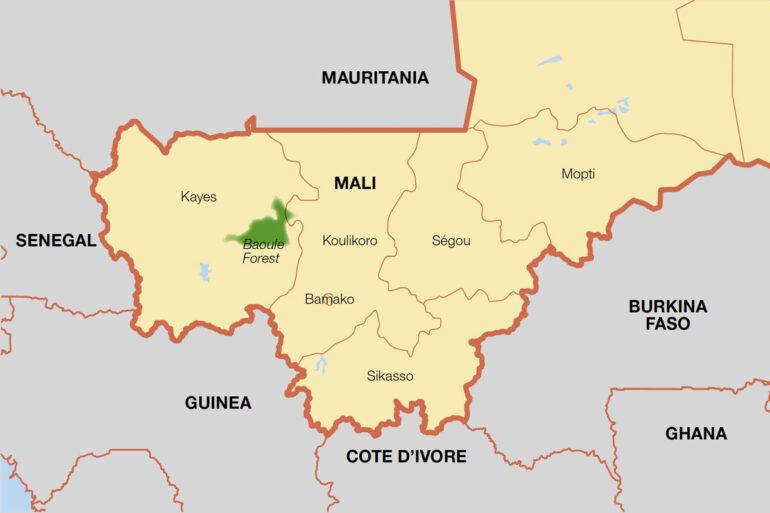
Mali is facing a serious security crisis following the withdrawal of French and UN forces and the growing involvement of Russian-backed military units, including the Africa Corps. Despite promises of improved security, insurgent groups have expanded their operations, state authority has weakened, and instability is spreading across the Sahel region.
Write a report in which you:
- describe the current security situation in Mali,
- assess the role and limitations of Russian involvement,
- explain the regional and international consequences of the crisis,
- suggest possible measures to improve stability in Mali and the wider Sahel region.
Sample Answer
Subject: Security Crisis in Mali and the Effectiveness of Russian Support
Introduction
The aim of this report is to assess the current security crisis in Mali and evaluate the effectiveness of Russian military support. The report examines the current situation, the limitations of foreign involvement, and the potential regional consequences of continued instability.
Current Security Situation
Mali has experienced armed violence since 2012, when jihadist and separatist groups began expanding their activities in the northern regions of the country. Despite years of international counterterrorism efforts, the security situation remains fragile and fragmented.
The withdrawal of French forces in 2022, followed by the exit of UN troops in 2023, created a significant security vacuum. This further weakened state control in areas already affected by Islamist insurgent groups linked to al-Qaeda and Islamic State.
Following the military coup in 2021, the ruling junta invited Russian forces to support national security and counterterrorism operations. Since then, approximately 2,000 Russian personnel have been deployed in Mali. In 2023, this presence was reorganised as the Africa Corps under the direct control of the Russian Ministry of Defence.
Insurgent groups continue to conduct coordinated attacks across the country, targeting police stations, military bases and fuel convoys, and carrying out kidnappings in all parts of Mali, including urban areas and the capital, Bamako. Recent large-scale attacks on Malian Armed Forces bases exposed significant weaknesses in both operational capability and force protection.
Limitations of Russian Support
Although Russian forces have supported military operations, their overall effectiveness remains limited. Compared to Wagner fighters, Africa Corps units appear more defensive and less flexible in combat operations.
In addition, Russian forces, Malian troops, and insurgent groups have all faced accusations of targeting civilians, which may constitute violations of international law. Such incidents damage public trust and may increase support for extremist organisations.
Regional Consequences and Recommendations
The security situation in Mali remains highly volatile, as the government has struggled to re-establish control over towns and cities from Tuareg and al-Qaeda-linked fighters, who have reportedly increased their operational reach and pose a potential threat to the capital. This continued instability could spread to neighbouring Burkina Faso and Niger, leading to increased migration flows and the strengthening of terrorist networks across the Sahel.
To improve stability, Mali should strengthen cooperation with neighbouring states, enhance intelligence sharing with both regional and Western European partners, rebuild its military capabilities, and address underlying political and socio-economic issues in vulnerable regions.
Conclusion
In conclusion, Russian military support has not resolved Mali’s long-term security problems or prevented the continued expansion of insurgent groups. Without political reform and stronger regional cooperation, the security situation is likely to deteriorate further, potentially leading to wider instability across the Sahel region and increased threats to neighbouring states.