
STANAG 6001 Level 3 – Speaking Task (Discussion): Technological Innovations – Most and Least Beneficial
Examination Task
Modern technological innovations appear every year. Look at the list below. Discuss the following innovations and try to decide which of them might be the most and the least beneficial for people. Be ready to justify your choice.
- Self-driving cars
- Domestic robots
- Intelligent household appliances
Sample Discussion
A: Modern technological innovations appear every year, and some of them have a big impact on our daily lives. Let’s discuss self-driving cars, domestic robots, and intelligent household appliances, and try to decide which is the most and the least beneficial. Does that sound good?
B: Yes, I agree. From my point of view, self-driving cars could be the most beneficial innovation. They have the potential to reduce traffic accidents caused by human error and optimize traffic flow in cities. In addition, self-driving technology can reduce air pollution if vehicles are electric and increase efficiency in transportation. Therefore, I would say self-driving cars have the greatest potential benefit. What do you think?
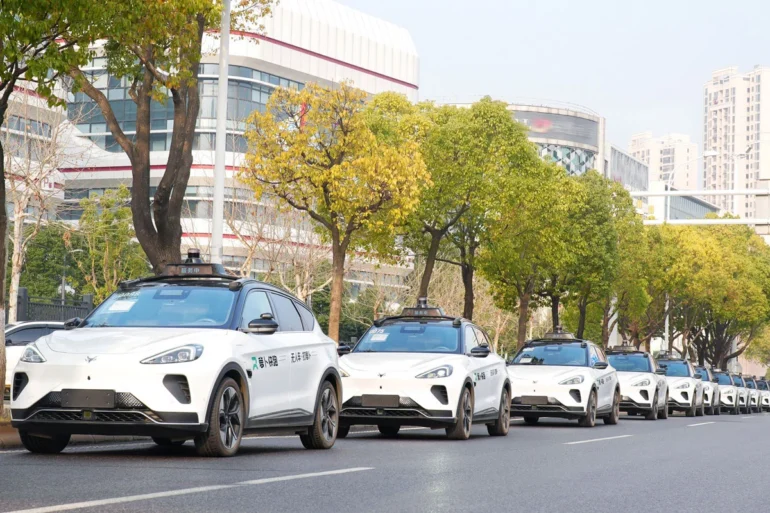
A: I share your point of view. Self-driving cars are indeed revolutionary. In some cities, like San Francisco, Phoenix, Los Angeles, Beijing, Wuhan or Dubai, robotaxis have received massive attention. They mean fewer crashes, cleaner air, and greater independence for people who cannot drive. However, I think domestic robots are also very important. They can assist people with domestic tasks, support the elderly or disabled in daily activities, and even provide companionship. For instance, robots can clean, cook, or monitor health, which can significantly improve quality of life for some people. I would say domestic robots are slightly less impactful than self-driving cars, but still very beneficial. Do you agree?
B: Yes, that’s true. Domestic robots can make daily life easier, but they are mostly useful in specific contexts. On the other hand, intelligent household appliances, like smart fridges, washing machines, ovens, or thermostats, help people save energy, manage resources, and improve comfort. They are practical, but I think their impact is smaller compared to self-driving cars or domestic robots.
A: I agree. Intelligent appliances that are able to communicate with the internet are convenient, but their benefits are limited and indirect. While they support efficiency, they don’t address mobility or physical assistance like the other two innovations.
B: So, to sum up, self-driving cars might be the most beneficial innovation because they can improve safety, mobility, and efficiency on a large scale, while intelligent household appliances are the least beneficial, as their impact is smaller and more indirect.
A: Exactly. Domestic robots are in between, providing support for daily tasks and improving quality of life, but not as far-reaching as self-driving cars.
B: I completely agree with your point of view.
Photo: Robotaxis in Wuhan, China © Baidu Apollo