
STANAG 6001 Level 3 – Writing Task (Report): Specialised Drone Units in the Armed Forces
Examination Task
Write a minimum of 200 words on the topic below.
Many countries are creating specialised military units equipped with advanced drone technology. Write a report in which you:
- discuss the reasons for this trend
- outline the challenges of establishing such units
- evaluate their likely contribution to national defence
Sample Answer
Subject: Specialised Drone Units in the Armed Forces
Introduction
The purpose of this report is to present the reasons why many countries are establishing specialised military units equipped with advanced drone technology, outline the challenges involved in creating such units, and evaluate their contribution to national defence.
Reasons for the Trend
The use of drones in modern military conflicts has demonstrated their effectiveness in reconnaissance, surveillance, target acquisition and precision strikes. Compared with conventional manned military systems such as aircraft and ground vehicles, drones are often less expensive to acquire and operate while significantly reducing risks to personnel. Furthermore, rapid advances in artificial intelligence, communications and sensor technologies have expanded the range of missions that unmanned systems can perform. As a result, many governments now view specialised drone units as a cost-effective means of enhancing overall military capability.
The war in Ukraine has further highlighted the growing importance of unmanned systems in modern warfare. Their extensive use on the battlefield has encouraged many countries to invest in dedicated drone units. While most countries integrate unmanned systems into existing military structures, Ukraine became the first country to establish a separate branch of its armed forces, the Unmanned Systems Forces, in 2024. Similarly, Russia established the Unmanned Systems Forces in 2025 as a separate military branch to oversee drone operations, development, testing and training. Other countries, including the United States and Israel, continue to expand the use of unmanned systems as part of their existing military capabilities.
Challenges of Establishing Drone Units
Despite their advantages, creating dedicated drone forces presents several challenges. First, substantial financial investment is required to purchase drones, build training facilities and establish specialised drone laboratories for the design, modification and maintenance of equipment. Second, armed forces must recruit and train personnel capable of operating complex drone systems and analysing large amounts of data. Another challenge is the vulnerability of drones to electronic warfare, including signal jamming and cyberattacks. Finally, military planners must ensure that drone units are effectively integrated with existing land, air and naval forces to maximise operational effectiveness.
Contribution to National Defence
Specialised drone units are likely to strengthen national defence in several ways. Experience from the war in Ukraine suggests that drones can significantly enhance military capabilities without the need to directly engage soldiers and expose them to danger. They can improve situational awareness by providing real-time intelligence from the battlefield and border areas. In addition, drones can conduct missions in high-risk environments without exposing soldiers to direct danger. Their ability to detect, track and engage targets quickly can enhance both defensive and offensive operations. Although drones cannot entirely replace conventional military capabilities such as artillery, tanks or air forces, they can complement existing forces by providing additional intelligence, surveillance and strike capabilities.
Conclusion
In conclusion, the growing interest in specialised drone units is driven by technological progress and changing security requirements. While their establishment involves financial, technical and organisational challenges, these units are expected to play an increasingly important role in strengthening national defence capabilities.
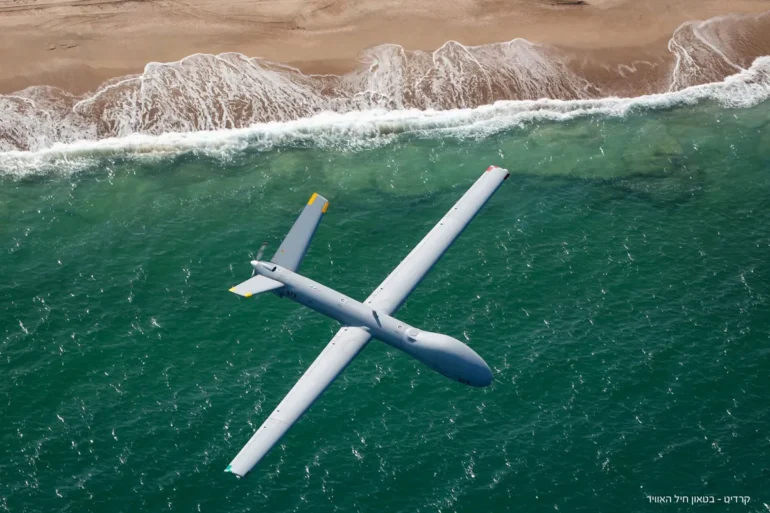
Photo: Hermes 900, a multi-mission unmanned aerial vehicle, used for surveillance, reconnaissance, and maritime patrol over vast areas © Elbit Systems