
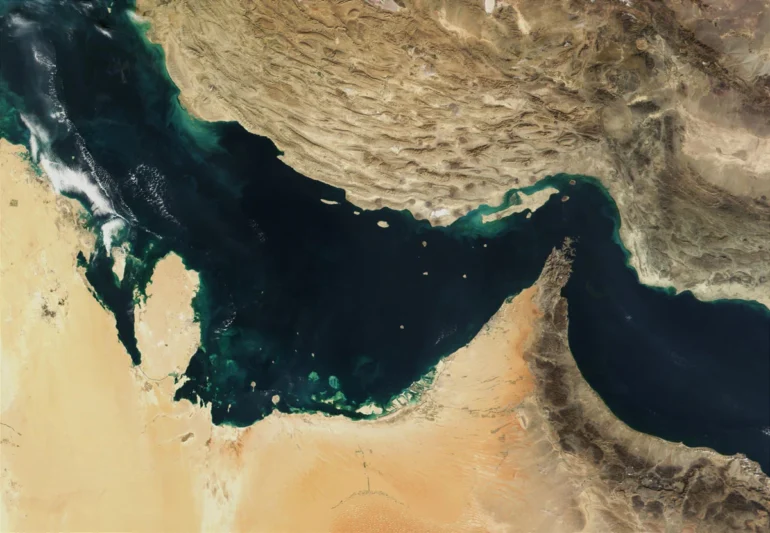
STANAG 6001 Level 3 – Writing Task (Report): Marine Mine Threats in the Strait of Hormuz
Examination Task
Write a minimum of 200 words on the topic below.
Recent reports indicate a potential threat of marine mines in the Strait of Hormuz. This narrow waterway, connecting the Persian Gulf with the Gulf of Oman, is a critical chokepoint for global energy trade. Write a report in which you:
- describe the current situation and the risks posed by marine mines,
- assess the impact on commercial shipping and naval operations,
- suggest measures to reduce the threat and ensure safe passage,
- consider possible future developments if the mine threat continues.
Sample Answer
Subject: Marine Mine Threat in the Strait of Hormuz
Introduction
The aim of this report is to analyse the recent threat posed by marine mines in the Strait of Hormuz. This narrow waterway, connecting the Persian Gulf with the Gulf of Oman, is one of the most critical maritime chokepoints for global energy trade. Even a small number of mines can significantly disrupt commercial shipping, creating both economic and strategic challenges. This report examines the current situation, the potential impact on maritime operations, measures to mitigate the threat, and possible future developments.
Current Situation and Threat Assessment
Recent reports indicate a threat of marine mines in the Strait of Hormuz, which could disrupt or block key shipping lanes. In response, the United States conducted strikes against vessels suspected of involvement in mine-laying operations. The situation has already affected maritime traffic, as commercial tankers are avoiding the strait and major container lines have suspended transits. Satellite imagery shows that approximately 150 vessels, including container ships and oil tankers, are currently delayed in the Persian Gulf. Access to major terminals and ports in the region remains restricted. In addition, tankers and refineries of the main Gulf producers are at increased risk. More than 16 tankers have been attacked by missiles, drones, and explosive-laden boats. Moreover, electronic interference has intensified, with vessels reporting disruptions to GPS and the Automatic Identification System (AIS) across the Gulf region. Overall, these developments indicate a growing threat to maritime navigation and regional energy infrastructure.
Impact and Measures
The threat of marine mines endangers both commercial and military shipping, as the Strait of Hormuz is the only maritime route available. As a result, oil and gas shipments from the region have been significantly reduced due to transport disruptions. This has contributed to rising global fuel prices.
To mitigate the threat of marine mines, several measures should be implemented. Allied naval forces should conduct coordinated mine detection and clearance operations using specialised vessels, underwater drones, and sonar equipment. International cooperation and intelligence sharing are also essential to prevent further mine-laying incidents and ensure a timely response to emerging threats.
Possible Future Developments
If mine-laying activity continues, commercial shipping may increasingly avoid the strait, potentially causing long-term disruptions to energy transport and affecting global markets. Countries dependent on Gulf oil may seek alternative supply routes, adjust production, or increase strategic reserves. Sustained threats could require a continuous naval presence to maintain maritime security, leading to higher operational costs and increased military activity in the region. Rising geopolitical tensions and the potential for catastrophic incidents, such as the sinking of a tanker, could further complicate maritime security, making international coordination essential for maintaining stability and ensuring safe navigation.
Conclusion
Marine mines in the Strait of Hormuz pose a significant risk to maritime operations and the global energy supply. Ensuring safe passage through this critical chokepoint requires coordinated international efforts to protect maritime shipping. Prolonged instability in the strait carries wide-ranging economic and strategic consequences, potentially disrupting global trade routes and regional security.
Photo: Satellite view of the Persian Gulf, Strait of Hormuz, and Gulf of Oman © U.S. Naval Institute