
STANAG 6001 Level 3 – Writing Task (Report): The Impact of Global Warming and Required Actions
Examination Task
Write a minimum of 200 words on the topic below.
Global warming is one of the main problems affecting the world today. Write a report on the issue, in which you:
- describe how global warming has affected the world so far
- say what measures need to be taken both on the global scale and at an individual level
- speculate what the consequences will be if the situation is not dealt with
Sample Answer
Report
Subject: The Impact of Global Warming and Required Actions
Introduction
The aim of this report is to examine how global warming has affected the world so far, identify measures that should be taken at both global and individual levels, and assess possible consequences if the issue is not effectively addressed.
Current Impact of Global Warming
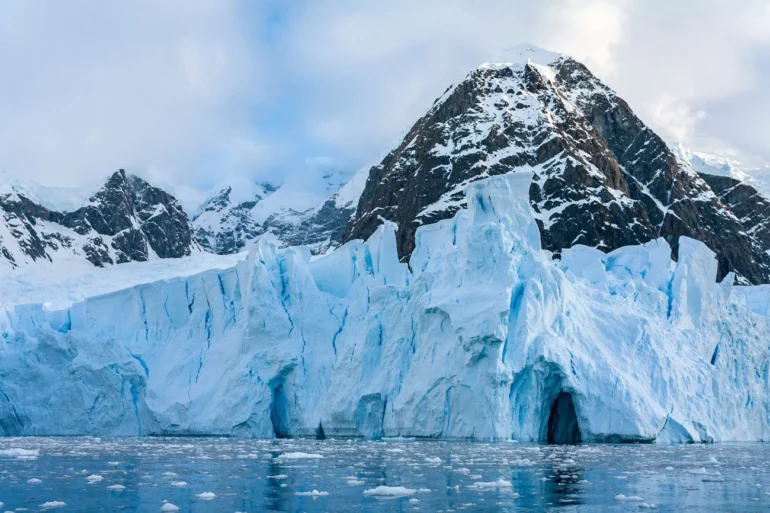
Global warming has already had significant environmental, economic and social effects. Rising global temperatures have led to the melting of glaciers and polar ice caps, resulting in sea-level rise and an increased risk of flooding in coastal regions. Many parts of the world have experienced more frequent and intense extreme weather events, including heatwaves, wildfires, droughts, heavy rainfall and tropical storms.
In Pacific island nations, Central America, the Caribbean and southern states of the United States, such as Louisiana and Florida, hurricanes have become increasingly severe, leading to loss of life, destruction of homes and damage to agriculture. Similarly, parts of Asia, including the Philippines, Japan, China, Vietnam and Bangladesh, are experiencing more frequent and stronger typhoons. Moreover, rising sea levels are already affecting low-lying island states such as Kiribati and the Marshall Islands.
These developments have disrupted agriculture, reduced water availability and threatened biodiversity. Furthermore, climate-related disasters have caused substantial economic losses and placed additional pressure on vulnerable communities.
Measures Required at Global and Individual Levels
Effective action requires coordinated international efforts. Governments should reduce greenhouse gas emissions by limiting the use of fossil fuels such as coal, oil and gas and investing in renewable energy sources. The implementation of environmental regulations, energy efficiency programmes and reforestation initiatives is also necessary. At the individual level, citizens can contribute by reducing energy consumption, using public transport, recycling waste and adopting more sustainable consumption patterns. Public awareness campaigns may further support behavioural change.
Possible Future Consequences
If global warming is not adequately addressed, the consequences may become increasingly serious. Continued sea-level rise could threaten low-lying coastal areas and small island states, potentially forcing communities to relocate. Food and water shortages may intensify due to prolonged droughts and extreme weather events. Higher temperatures may lead to increased mortality, reduced productivity and damage to infrastructure. Vulnerable groups, including the elderly and children, are likely to be affected most severely. Furthermore, heavy rainfall events are projected to become more frequent and intense, increasing the risk of flash floods in countries such as France, Italy and Spain.
Conclusion
In conclusion, global warming represents a serious and complex global challenge that requires immediate and coordinated action. Without effective measures at both international and individual levels, its environmental, economic and social impacts are likely to intensify in the coming decades. Therefore, long-term commitment and cooperation are essential to limit further damage and ensure a stable and sustainable future for the next generations.
Photo: Antarctic ice melting © Antarctic and Southern Ocean Coalition