
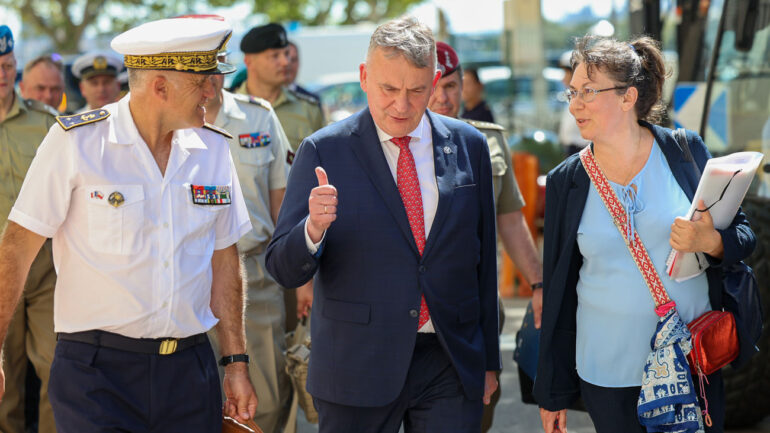
Wiceminister Obrony Narodowej Paweł Bejda wraz z przedstawicielami resortu i Agencji Uzbrojenia odwiedził Tulon, by zapoznać się z francuską ofertą nowoczesnych okrętów podwodnych dla Marynarki Wojennej RP w ramach programu „ORKA”, który zakłada zakup trzech nowych okrętów podwodnych.
Deputy Minister of National Defence Paweł Bejda, together with representatives of the ministry and the Armament Agency, visited Toulon to review the French offer of modern submarines for the Polish Navy as part of the ‘ORKA’ program which provides for the acquisition of three new submarines.
Polska delegacja spotkała się z przedstawicielami władz, francuskiej Marynarki Wojennej, a także oferenta, czyli koncernu Naval Group. Wizyta miała miejsce w Tulonie, gdzie mieszczą się kluczowe zakłady stoczniowe i port marynarki wojennej, stanowiące centrum francuskiego przemysłu okrętowego oraz bazę dla nowoczesnych jednostek podwodnych.
The Polish delegation met with representatives of the authorities, the French Navy, as well as the bidder – the Naval Group corporation. The visit took place in Toulon, home to key shipyard facilities and the naval port, which serve as the center of the French shipbuilding industry and the base for modern submarine units.
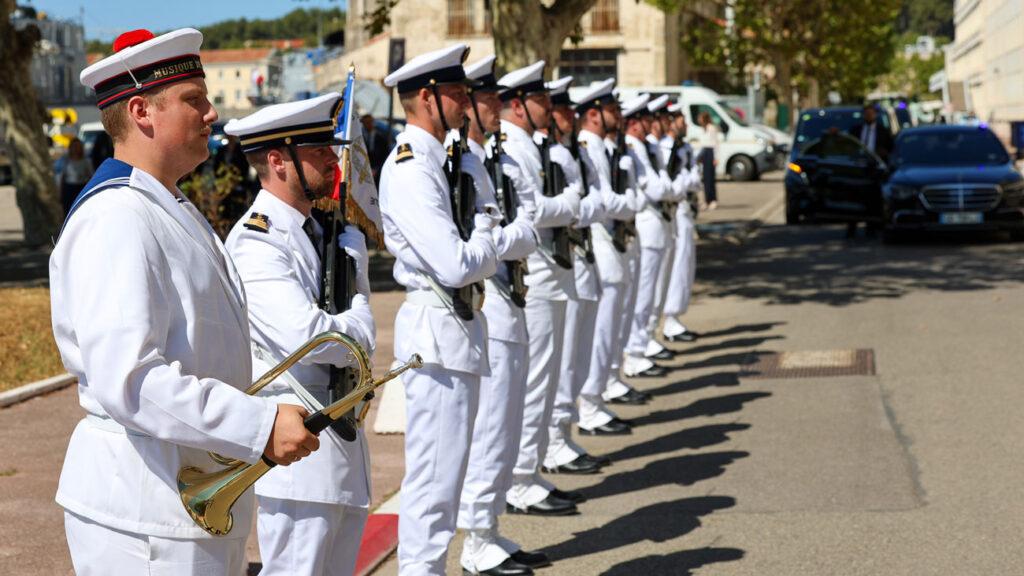
Jak poinformowało MON, w spotkaniu uczestniczył również Emmanuel Chiva, dyrektor generalny rządowej agencji zbrojeniowej DGA. Podczas wizyty podpisano list intencyjny dotyczący współpracy w zakresie pozyskania lądowych pocisków manewrujących. Wiceminister Obrony Narodowej Paweł Bejda miał okazję zapoznać się z okrętami podwodnymi francuskiej Marynarki Wojennej, poznając ich zdolności operacyjne i zastosowane w nich nowatorskie rozwiązania.
According to the Ministry of National Defence, Emmanuel Chiva, Director General of the French defence procurement agency DGA, also took part in the meeting. During the visit, a letter of intent was signed regarding cooperation in the acquisition of land-attack cruise missiles. Deputy Minister of National Defence Paweł Bejda had the opportunity to familiarize himself with the French Navy’s submarines, learning about their operational capabilities and the innovative solutions they employ.
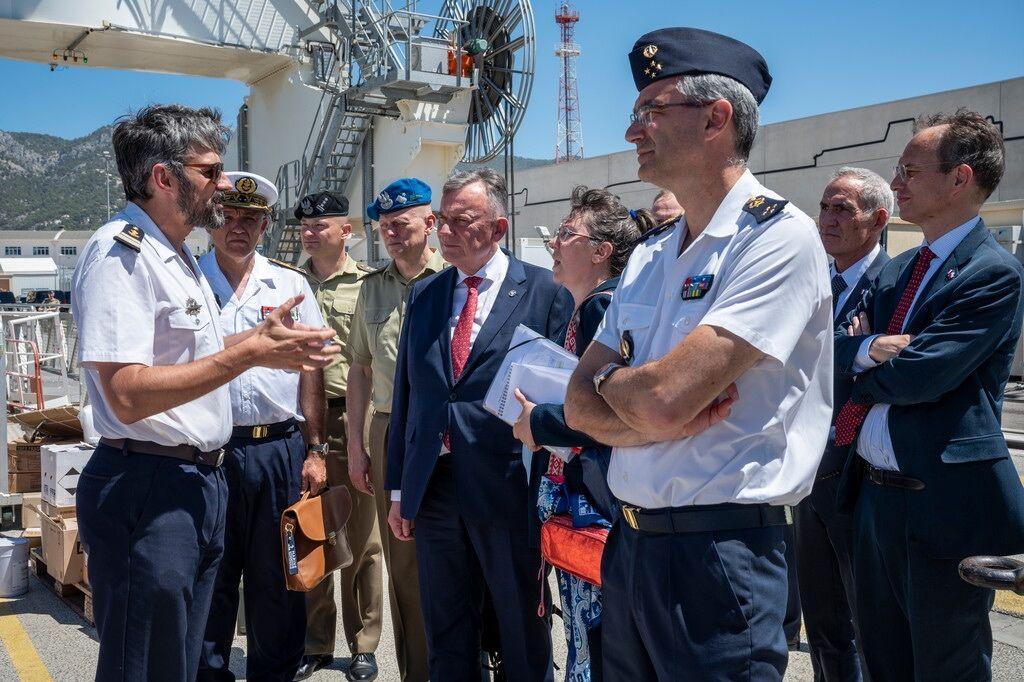
Polska delegacja przeprowadziła rozmowy robocze na temat możliwości transferu technologii oraz udziale polskiego przemysłu w realizacji programu. Istotnym jest bowiem zapewnienie możliwości serwisowania urządzeń na terenie kraju w ramach działań MRO (Maintenance, Repair, Overhaul), czyli konserwacji, napraw oraz remontów.
The Polish delegation held working-level talks on the possibilities of technology transfer and the involvement of the Polish defense industry in the implementation of the program. A key issue is ensuring the capability to service the equipment domestically as part of MRO (Maintenance, Repair, Overhaul) activities.
Wiceminister Bejda zaznaczył, że podjęte decyzje w sprawie programu ORKA będą miały długofalowy wpływ na bezpieczeństwo kraju, dlatego każda oferta musi zostać dokładnie przeanalizowana. Tłumaczy to również, dlaczego proces podejmowania decyzji trwa tak długo – temat ten wywołuje w Polsce wiele emocji, będąc przedmiotem zarówno interpelacji poselskich, jak i listu otwartego wystosowanego przez polskich marynarzy.
Deputy Minister Bejda emphasized that the decisions made regarding the ORKA program will have a long-term impact on the country’s security, which is why each offer must be thoroughly analyzed. This also explains why the decision-making process is taking so long — the issue has sparked significant public interest in Poland and has been the subject of parliamentary inquiries as well as an open letter from Polish naval personnel.
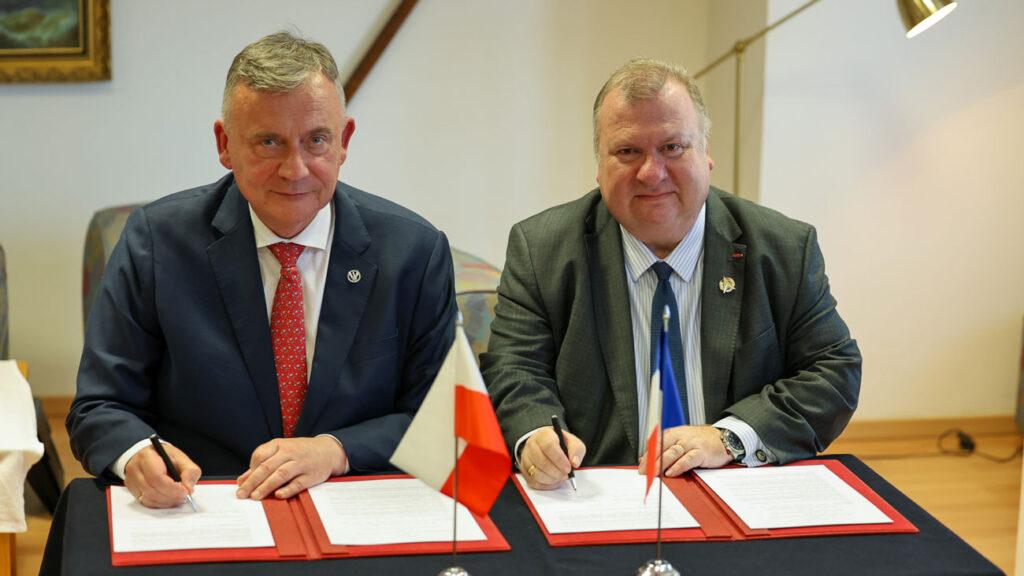
Ważnym momentem spotkania było podpisanie listu intencyjnego w sprawie pocisków manewrujących, co ma wskazywać na rozwijające się strategiczne partnerstwo obu krajów w zakresie obronności.
A key moment of the meeting was the signing of a letter of intent regarding cruise missiles, which signals a developing strategic partnership between the two countries in the field of defense.
Wizyta w Tulonie była czwartą zagraniczną podróżą przedstawicieli MON i Agencji Uzbrojenia, której celem było zapoznanie się z ofertami okrętów podwodnych dla Polski. Poprzednie wyjazdy odbyły się do Szwecji, Włoch oraz Niemiec. Spotkania zagraniczne, zdaniem MON, to element szerokich analiz i negocjacji prowadzonych przez władze.
The visit to Toulon was the fourth international trip by representatives of the Ministry of National Defence and the Armament Agency aimed at reviewing submarine offers for Poland. Previous visits took place in Sweden, Italy, and Germany. According to the Ministry, these international meetings are part of a broader analysis and negotiation process being conducted by the authorities.
Poza Naval Group w programie „ORKA” swoje oferty zgłosiły także hiszpańska Navantia (okręt podwodny typu S-80), koreańska firma Hanwha Ocean (okręt KSS-III Batch II), niemiecki TKMS (okręt 212CD), szwedzki Saab (okręt A26) oraz włoski Fincantieri (okręt 212 NFS).
In addition to Naval Group, the following companies have submitted offers for the ‘ORKA’ program: Spain’s Navantia (S-80 class submarine), South Korea’s Hanwha Ocean (KSS-III Batch II submarine), Germany’s TKMS (212CD submarine), Sweden’s Saab (A26 submarine), and Italy’s Fincantieri (212 NFS submarine).
MON podkreśla, że Naval Group jest jednym z kluczowych oferentów w programie „ORKA”, a propozycja tej firmy jest szczegółowo oceniana pod kątem wymagań technicznych i operacyjnych. Ostateczna decyzja ma zapaść w najbliższych miesiącach, co pozwoli na realizację tego ważnego projektu modernizacyjnego. Jednocześnie, współpraca w zakresie pocisków manewrujących otwiera nowe możliwości przed polskim przemysłem obronnym przyczyniając się do wzmacniania bezpieczeństwa naszego kraju.
The Ministry of National Defence emphasizes that Naval Group is one of the key contenders in the “ORKA” program, and the company’s proposal is being thoroughly evaluated in terms of technical and operational requirements. A final decision is expected in the coming months, which will enable the implementation of this important modernization project. At the same time, cooperation in the field of cruise missiles opens new opportunities for the Polish defense industry, contributing to the strengthening of the country’s security.
Naval Group oferuje Polsce okręt podwodny typu Scorpène. Długość jednostki wynosi od 67 do mniej niż 80 metrów, a wyporność sięga 1600-2000 ton. Załoga liczy 31 oficerów i marynarzy. W zanurzeniu ma osiągać prędkość ponad 20 węzłów, a na powierzchni do 12. Zanurzenie podawane jako testowe wynosi 350 metrów, a autonomiczność okrętu sięga 50-80 dni. Okręt ma być zdolny do działania w morzu 240 dni w roku, biorąc pod uwagę przerwy w wykonywaniu zadań i odtwarzanie gotowości bojowej. W skład napędu wchodzą elektryczny diesel MAGTRONIC. Wyposażenie tworzą m.in. system kierowania walką SUBTICS i wszechstronny zestaw sonarów, a także oprogramowanie pozwalające na działanie w zakresie cyberzagrożeń.
Naval Group is offering Poland the Scorpène-class submarine. The vessel’s length ranges from 67 to just under 80 meters, with a displacement of 1,600 to 2,000 tons. The crew consists of 31 officers and sailors. When submerged, it can reach speeds of over 20 knots, and up to 12 knots on the surface. The test diving depth is listed as 350 meters, and the submarine’s endurance ranges from 50 to 80 days. It is expected to be capable of operating at sea for 240 days per year, accounting for breaks in missions and time needed to restore combat readiness. The propulsion system includes an electric MAGTRONIC diesel engine. The equipment features the SUBTICS combat management system and a versatile suite of sonars, as well as software designed to counter cyber threats.
Wyposażenie okrętu typu Scorpène obejmuje sześć wyrzutni torped o kalibrze 533 mm, przeznaczonych dla 18 nowoczesnych ciężkich torped Naval Group F21 oraz przeciwokrętowych pocisków SM-39 Exocet. W miejsce torped możliwe jest także zastosowanie min morskich. Ponadto, jednostka będzie mogła wystrzeliwać pociski manewrujące NCM (Naval Cruise Missile), przeznaczone do zwalczania celów nawodnych i lądowych, produkcji MBDA.
The Scorpène-class submarine is equipped with six 533 mm torpedo tubes designed to carry 18 modern Naval Group F21 heavy torpedoes and SM-39 Exocet anti-ship missiles. Instead of torpedoes, naval mines can also be deployed. Additionally, the vessel will be capable of launching NCM (Naval Cruise Missiles), produced by MBDA, which are intended for engaging both surface and land targets.