
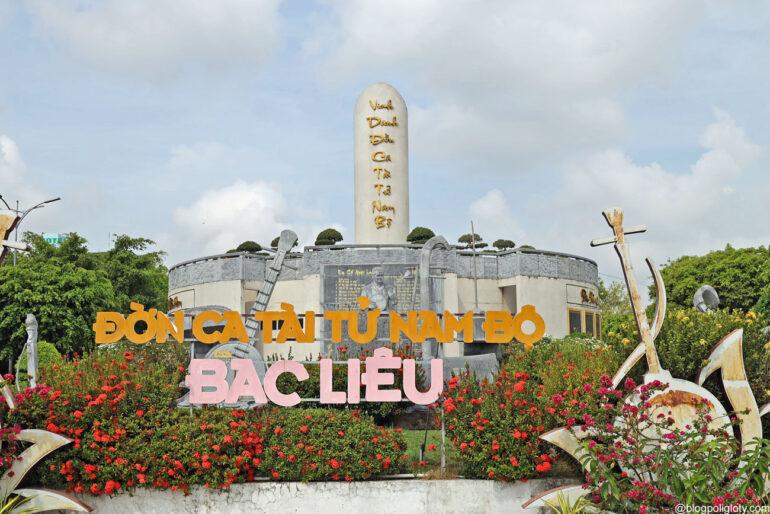
Vietnam’s Đờn ca tài tử is a traditional art form of music and song that originated in the southern regions of the country. It is a unique blend of instrumental music and singing, reflecting the rich cultural heritage of southern Vietnam. This music is performed at various events, including festivals, Lunar New Year celebrations (Tet), death anniversaries, weddings, birthday parties, and other social gatherings. It originated in the late 19th century and has been continuously promoted ever since.
This art form, created by the people of the south, was initially a way to relax after work. The term ‘tài tử’ refers to talented and knowledgeable performers in classical music. At its inception, Đờn ca tài tử began as an instrumental genre, with singing later incorporated, leading to the term ‘Đờn ca’. The art form evolved by inheriting and absorbing elements of Court Music, folk songs, and cultural influences from the Khmer, Chinese, and Western peoples.
Đờn ca tài tử originated from ceremonial music, court music, and folk songs of central and southern Vietnam. Its repertoire consists of 20 original tunes and 72 classical pieces, categorized into four melodies. These include six Bac songs (expressing joy and happiness), seven Ha songs (solemn, used for ceremonies), three Nam songs (conveying comfort and meditation), and four Oan songs (depicting sorrow and separation).
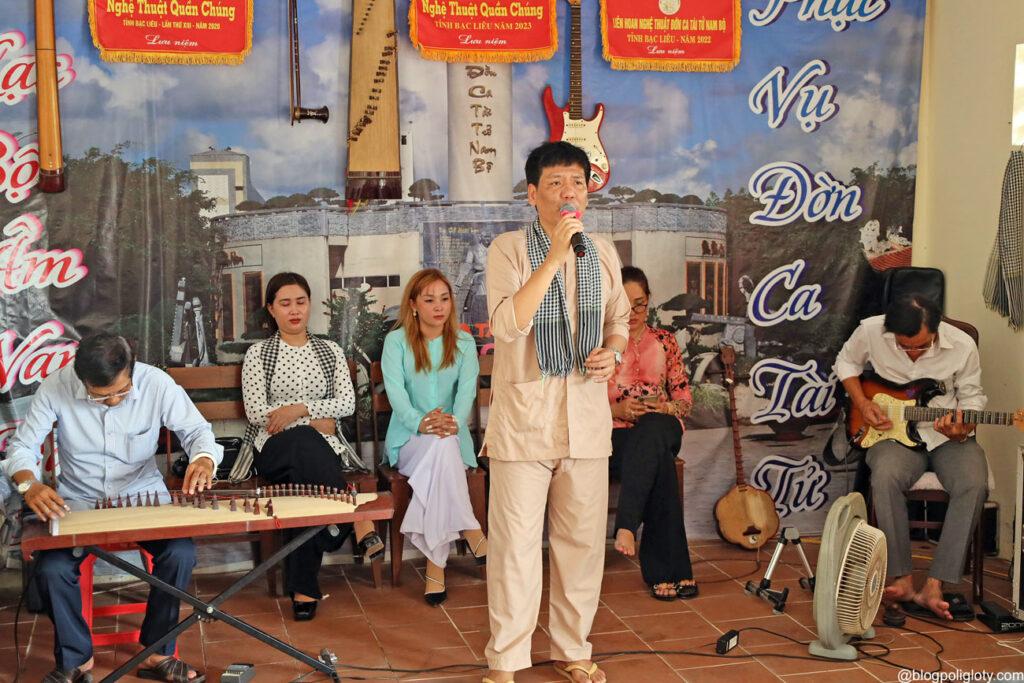
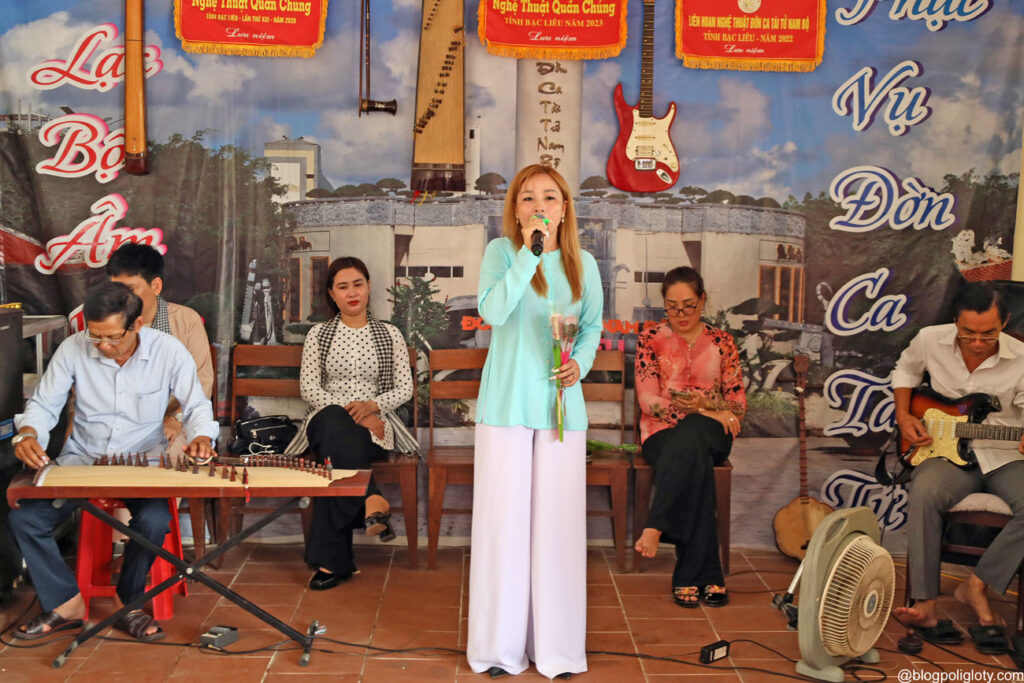
The Đờn ca tài tử orchestra features a variety of instruments, including the moon-shaped lute, two-stringed fiddle, sixteen-stringed zither, pear-shaped lute, percussion instruments, monochord, and bamboo flute. Its repertoire is based on twenty principal songs and seventy-two classical pieces. Since the 1930s, the violin and guitar have also been incorporated into the orchestra.
The music of Đờn ca tài tử was greatly influenced by Cao Văn Lau (22 December 1892 – 13 August 1976), a legendary musician and composer. Lau is credited with significantly shaping and popularizing this traditional musical form. His contributions to Đờn ca tài tử, particularly his composition of key pieces, have made him an iconic figure in Vietnamese music history. Cao Văn Lau is best known for composing the famous piece Dạ Cổ Hoài Lang, a work that played a fundamental role in the evolution of Đờn ca tài tử and had a profound impact on Vietnamese traditional music.
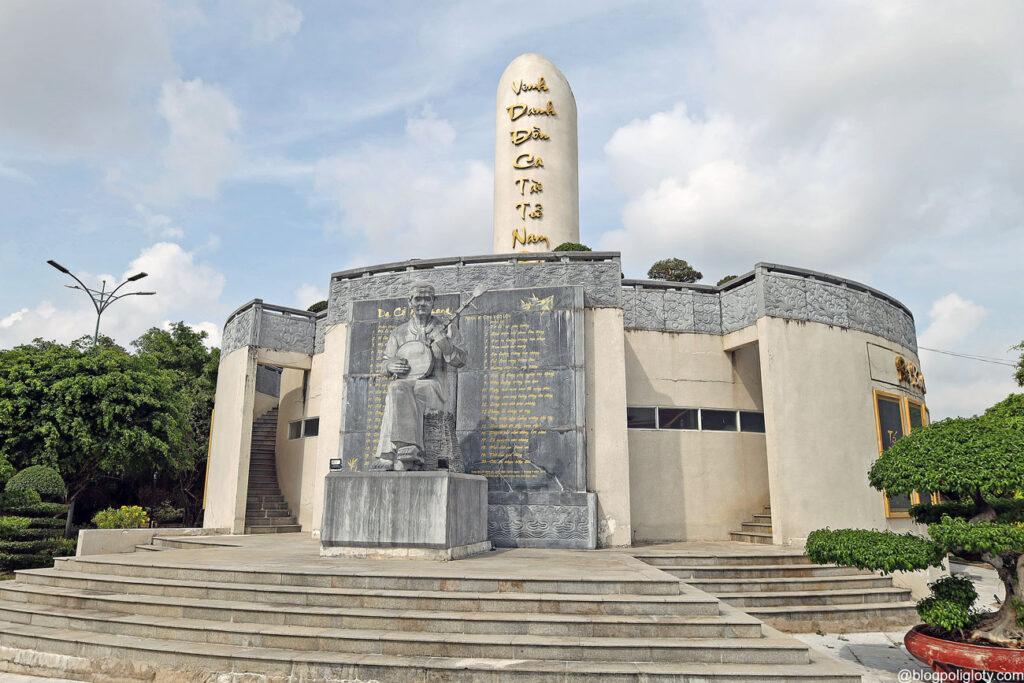
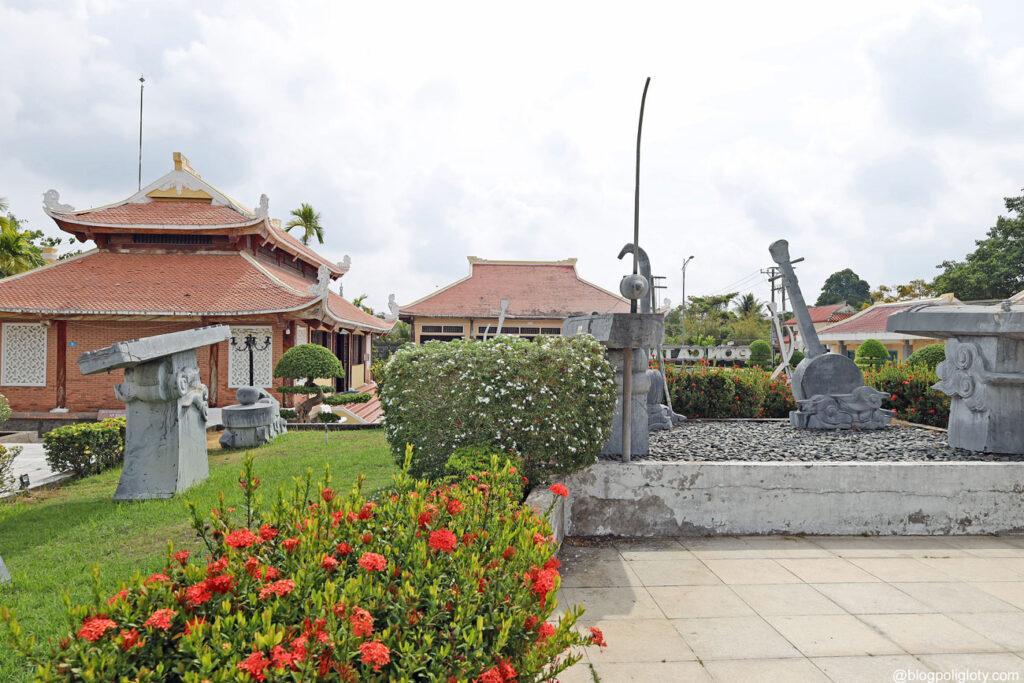
The visitors can admire the monument with the two-stringed lute. The moon lute is widely used in Vietnamese folk and classical music. The large round part of the monument represents the wooden body of the instrument, while the stairs leading up symbolize its neck. The monument is elevated to highlight its form. It is shaped like a moon lute but stylized to look like bamboo, honouring the Mekong Delta’s Amateur Music. The moon lute is also a symbol of the culture and arts of Bac Lieu province.
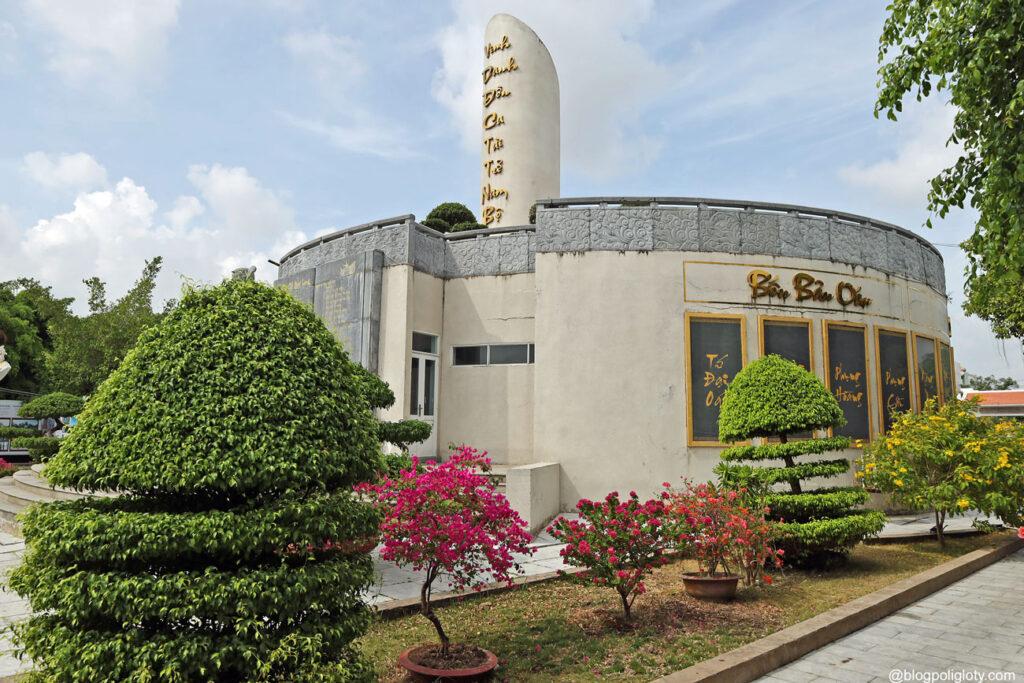
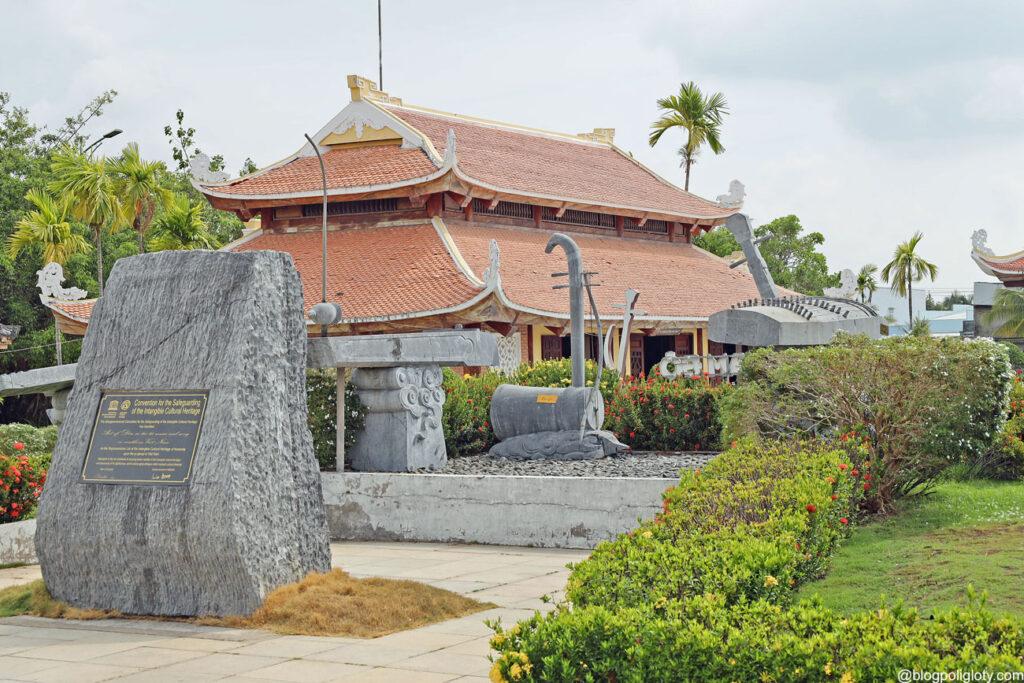
UNESCO recognized the southern amateur traditional music as an Intangible Cultural Heritage of Humanity. It was awarded this honour at the 8th Session of the Intergovernmental Committee for the Safeguarding of Intangible Cultural Heritage, held in Baku, Azerbaijan, on December 5, 2013.
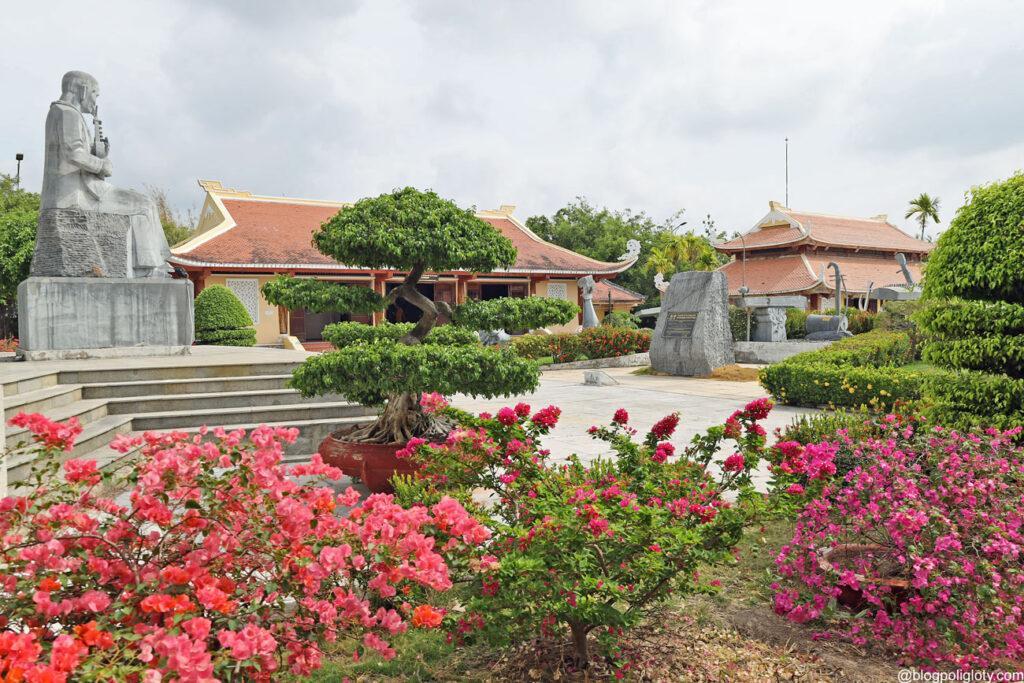
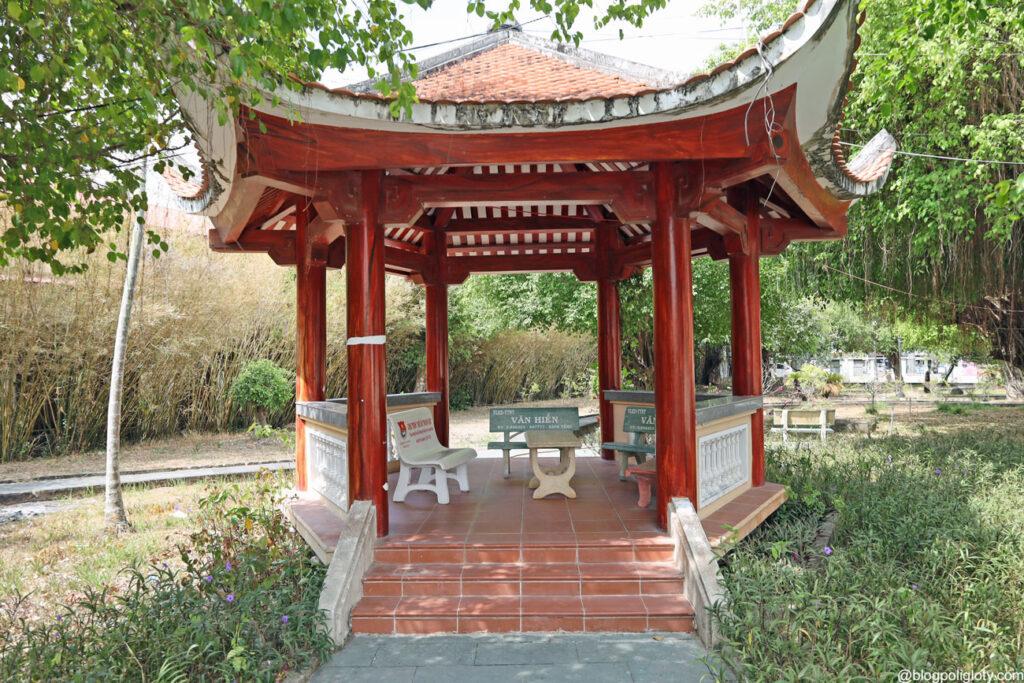
The memorial area is located in the town of Bạc Liêu, where Lau was born, and has become a place of pilgrimage for music lovers and cultural enthusiasts alike. The memorial complex includes a statue of Cao Văn Lau, surrounded by beautiful gardens and decorative elements that reflect regional architecture and cultural heritage. Inside the memorial, visitors can learn about his life, the struggles he faced, and the lasting legacy he left in the world of Vietnamese music.
The most popular place for tourists is the Exhibition House of musician Cao Van Lau. This place stores many artifacts such as books, newspapers, historical documents, photographs and images about the life and career of musician Cao Van Lau. In particular, here visitors can admire the wax statue of the late musician made of silicon, very similar to the real person.
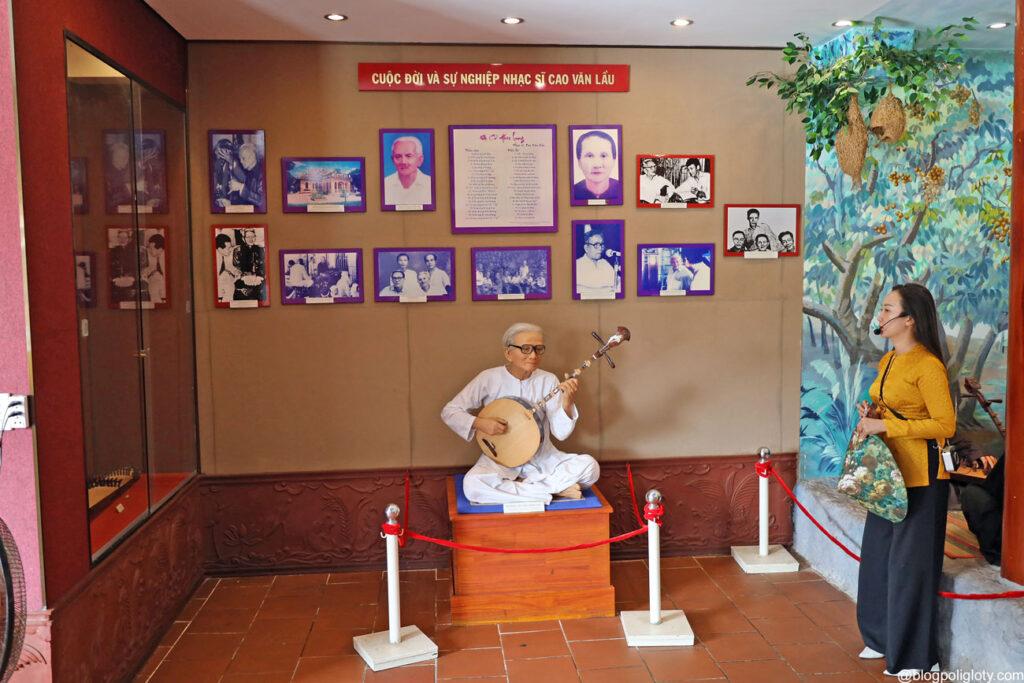
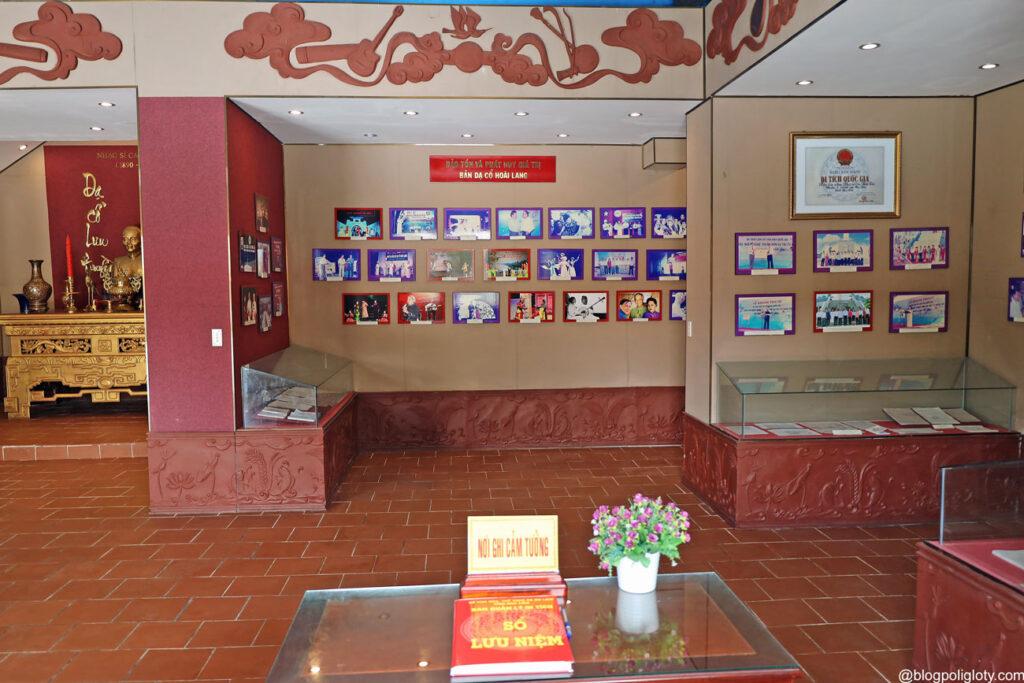
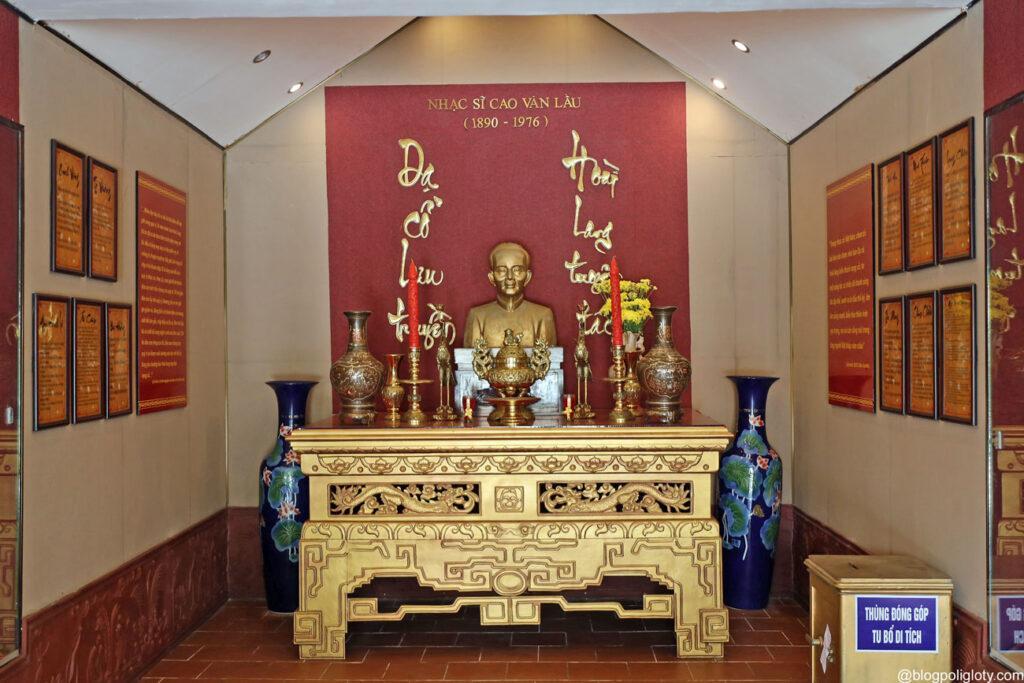
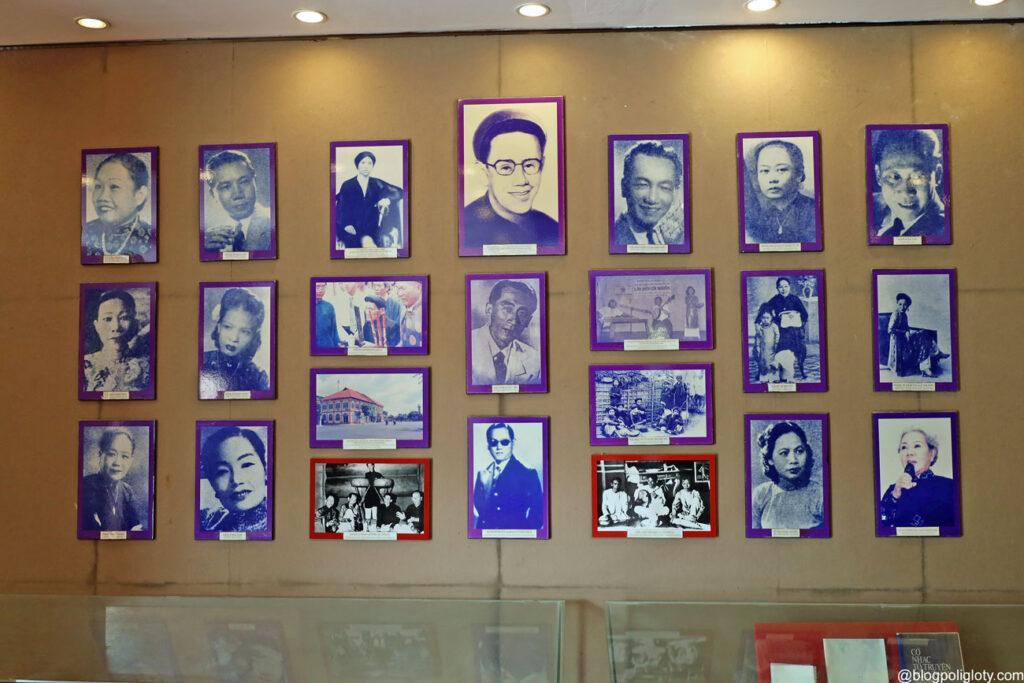
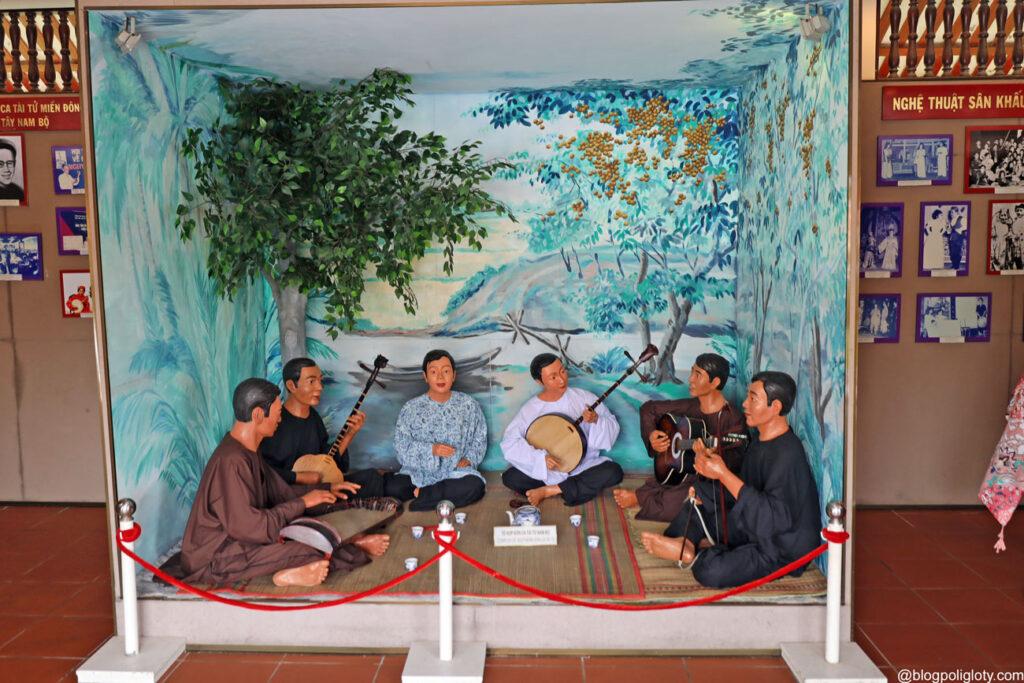
In addition to being a cultural landmark, the memorial serves as a center for the preservation and promotion of Đờn ca tài tử music. It offers educational programs, events, and concerts that highlight the significance of Cao Văn Lau’s work and the rich musical traditions of southern Vietnam. The site has become an important destination for those wanting to deepen their understanding of Vietnam’s musical heritage and the historical roots of Đờn ca tài tử. Visitors can also listen to live performances of Đờn ca tài tử.
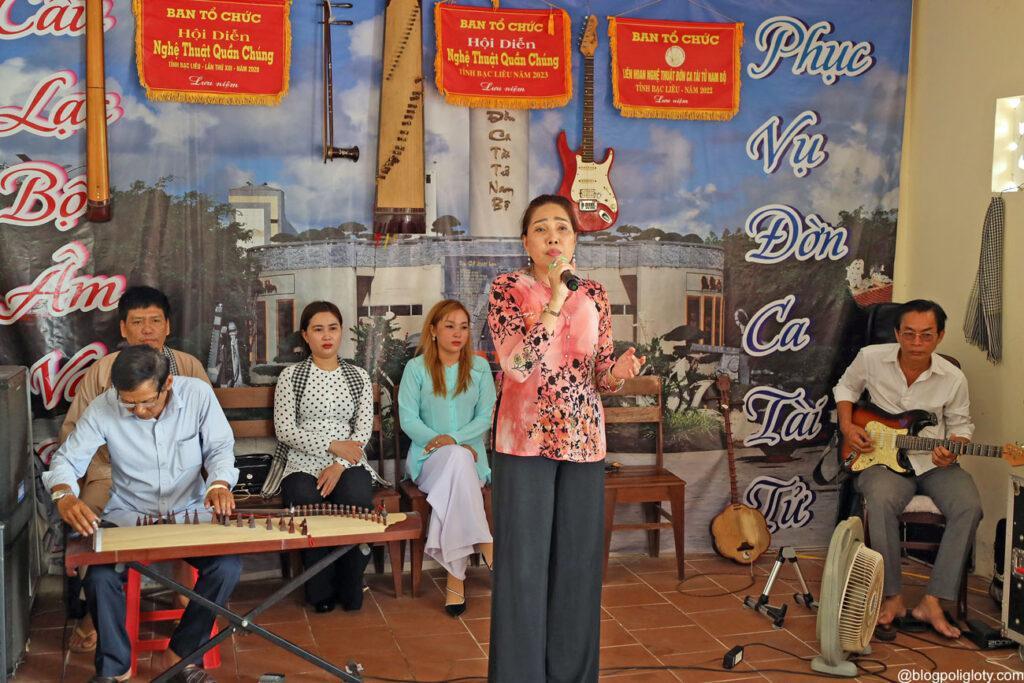
For visitors to Bạc Liêu, the memorial area offers a peaceful and reflective environment to honour the memory of a legendary musician whose influence still resonates in Vietnam’s cultural landscape today. It serves as a tribute not only to his artistic achievements but also to the enduring legacy of traditional music, allowing visitors to connect with the rich cultural heritage of the region. The site offers an opportunity for quiet contemplation and deeper appreciation of the artistic contributions that have shaped the musical traditions of Vietnam.