
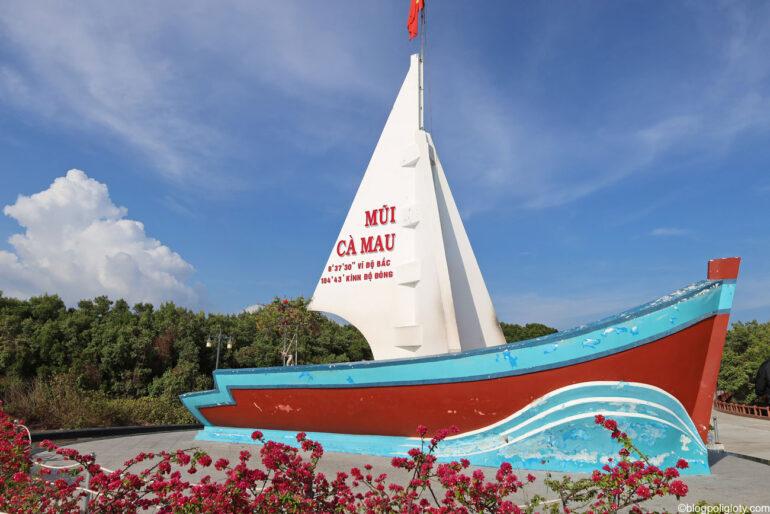
Where is Mui Cà Mau?
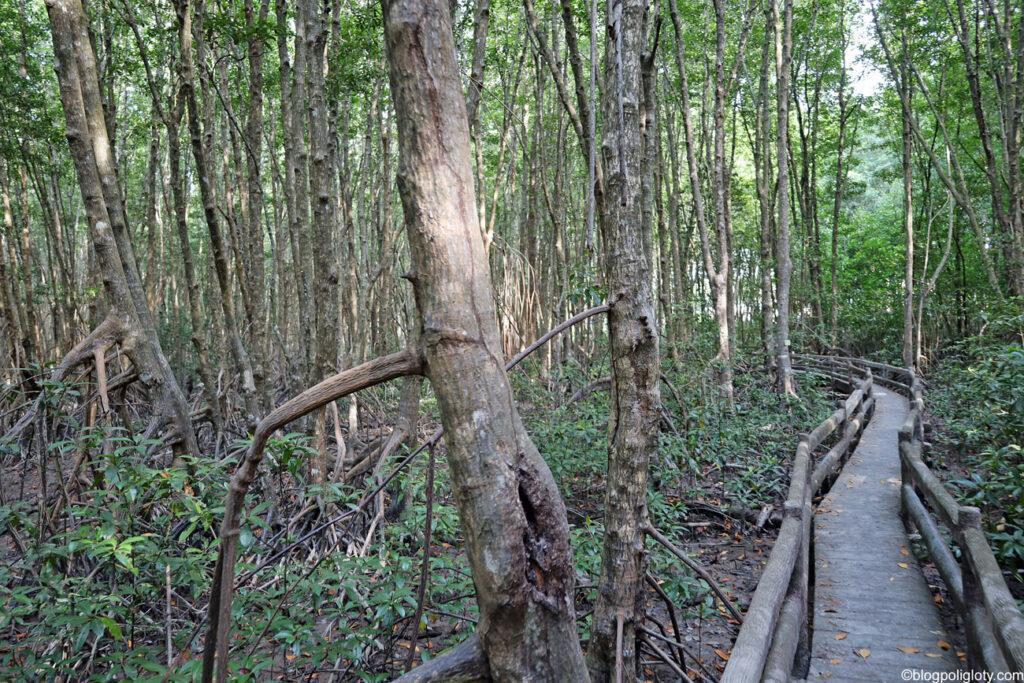
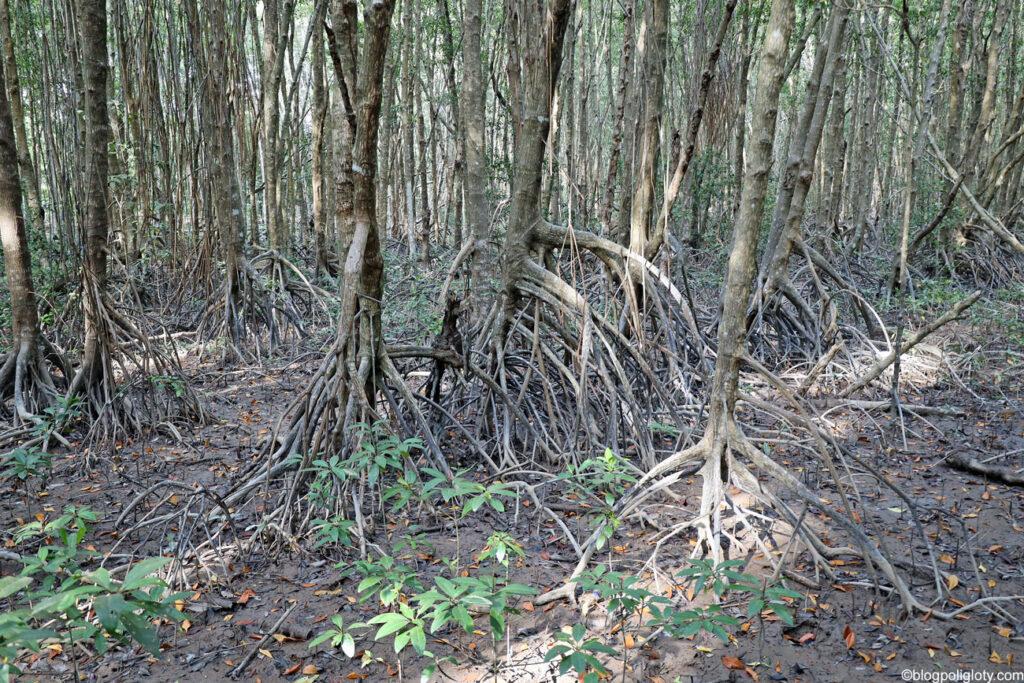
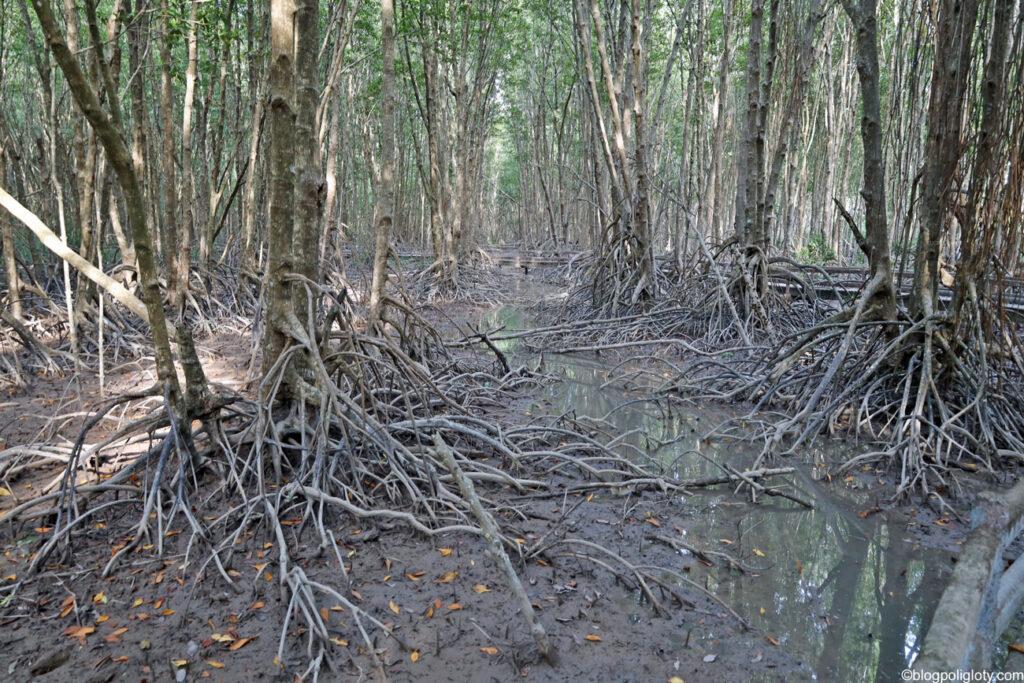
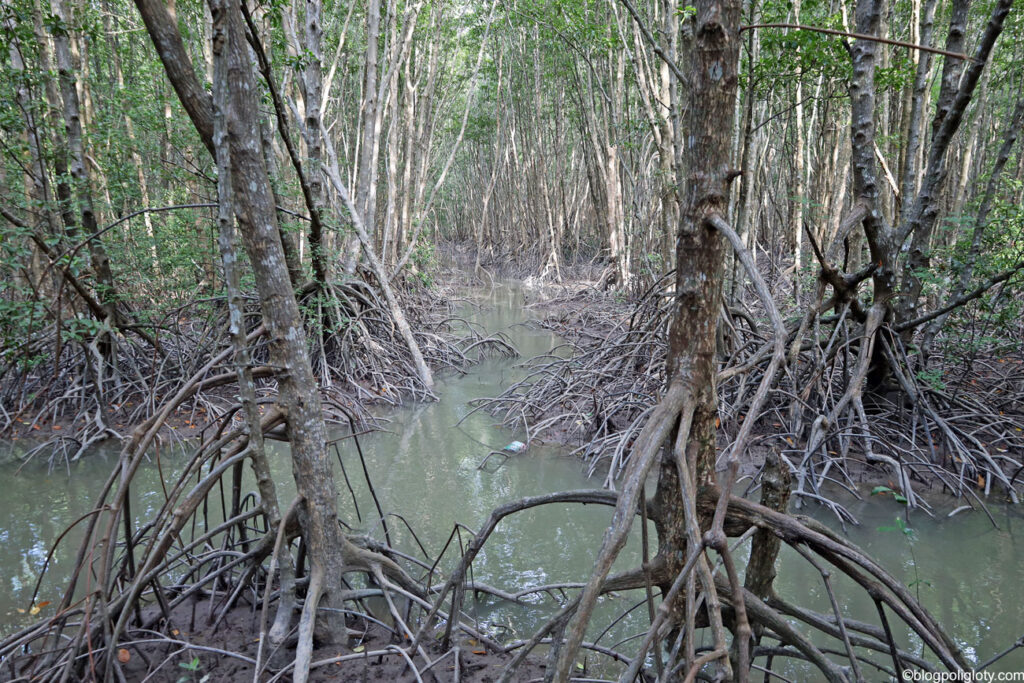
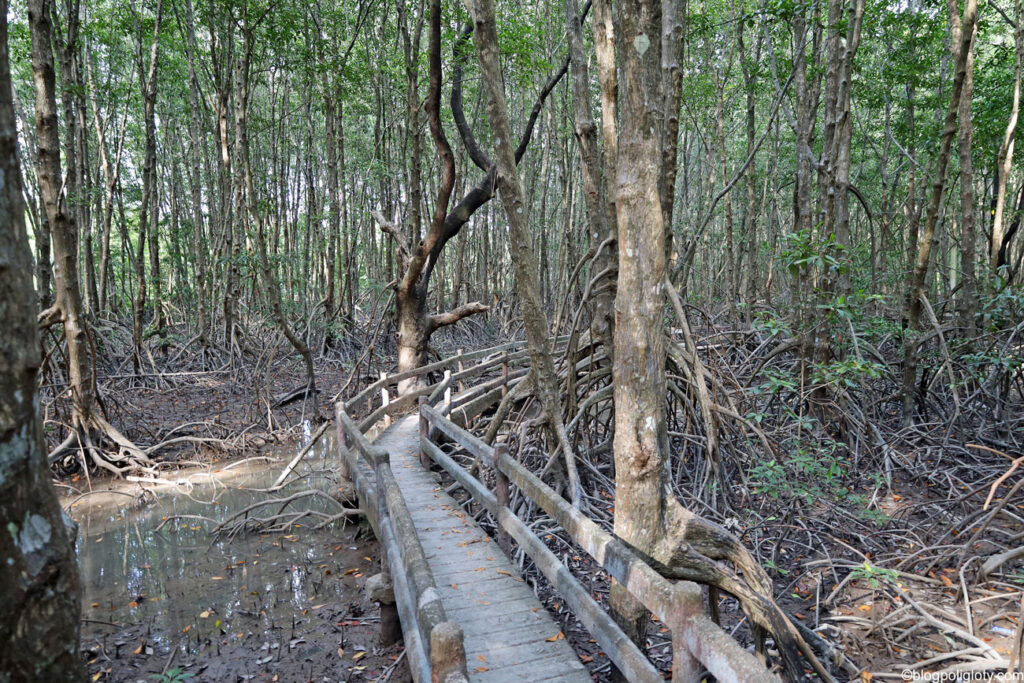
Cape Cà Mau (Vietnamese: Mũi Cà Mau) is located in Cà Mau Province, abt. 120 km from Cà Mau City, at the southernmost tip of mainland Vietnam. This unique geographical location allows visitors to witness both the sunrise over the East Sea and the sunset over the Gulf of Thailand – a rare phenomenon that emphasizes the cape’s exceptional position on the Vietnamese map. This area has also a diverse and rich mangrove ecosystem.
The Southernmost Landmark: The Boat Monument
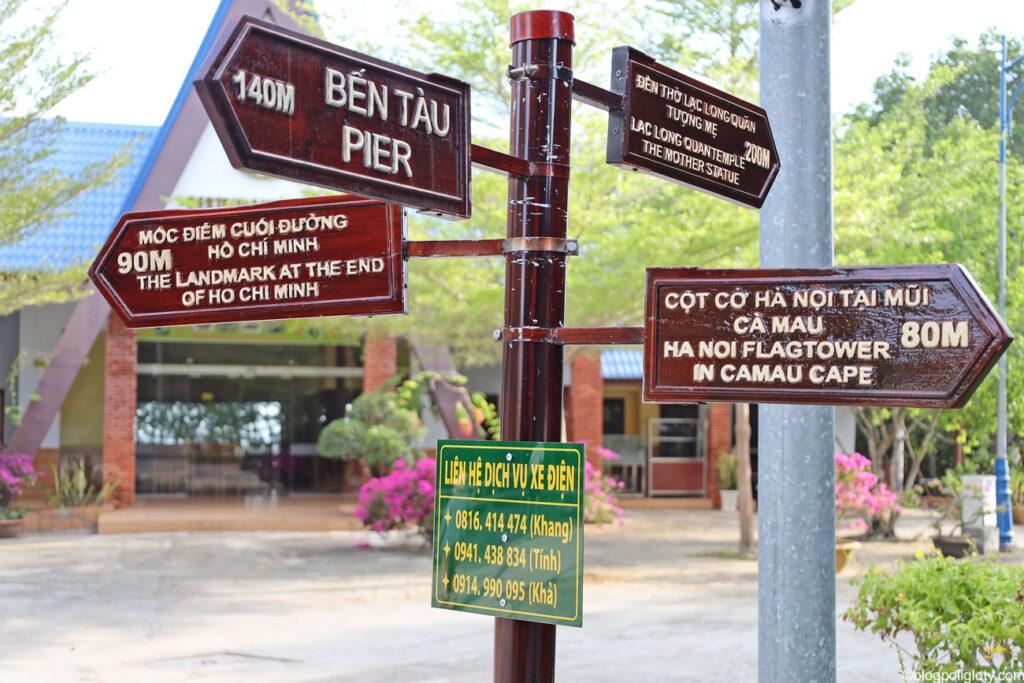
At the heart of Mui Cà Mau stands the symbolic boat-shaped monument, marking the southernmost point of Vietnam. Shaped like a traditional wooden fishing vessel and engraved with geographical coordinates, the monument reflects the country’s deep maritime heritage and stands as a proud symbol of Vietnamese territorial sovereignty.
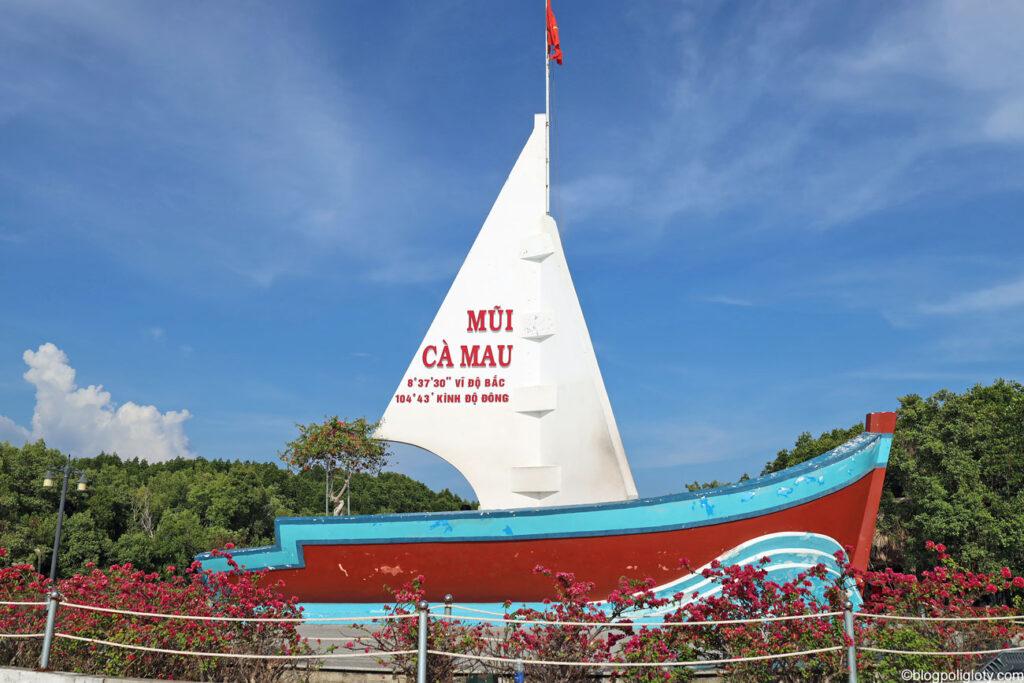
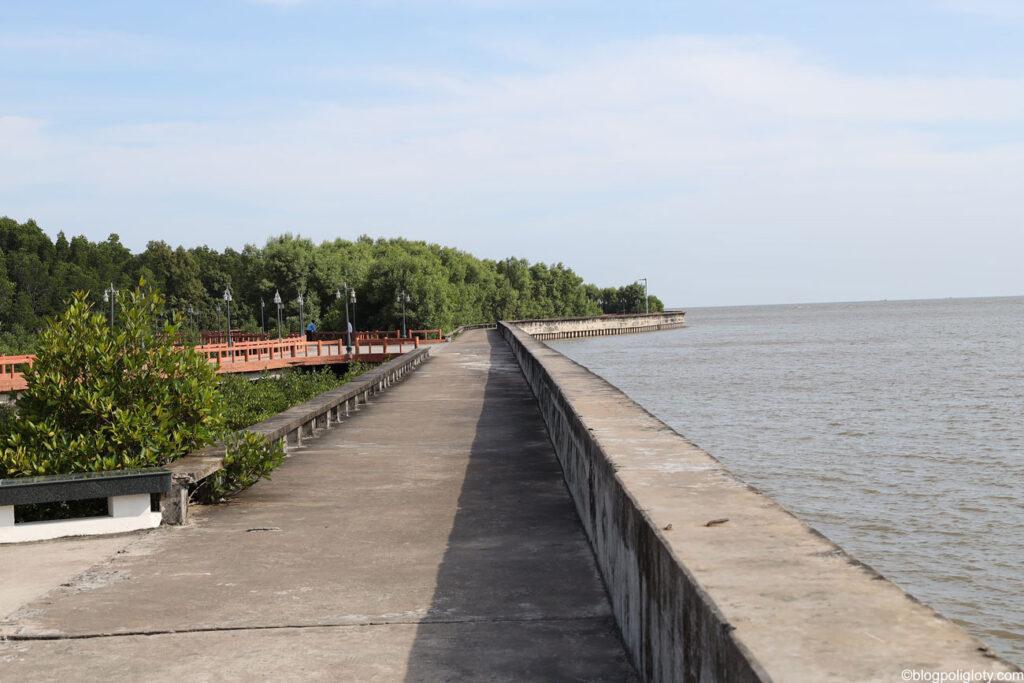
This area attracts a steady flow of visitors, primarily Vietnamese tourists, who come not only to take photos in front of the boat monument but also to explore the surrounding mangrove forests and experience the untouched nature of the region.
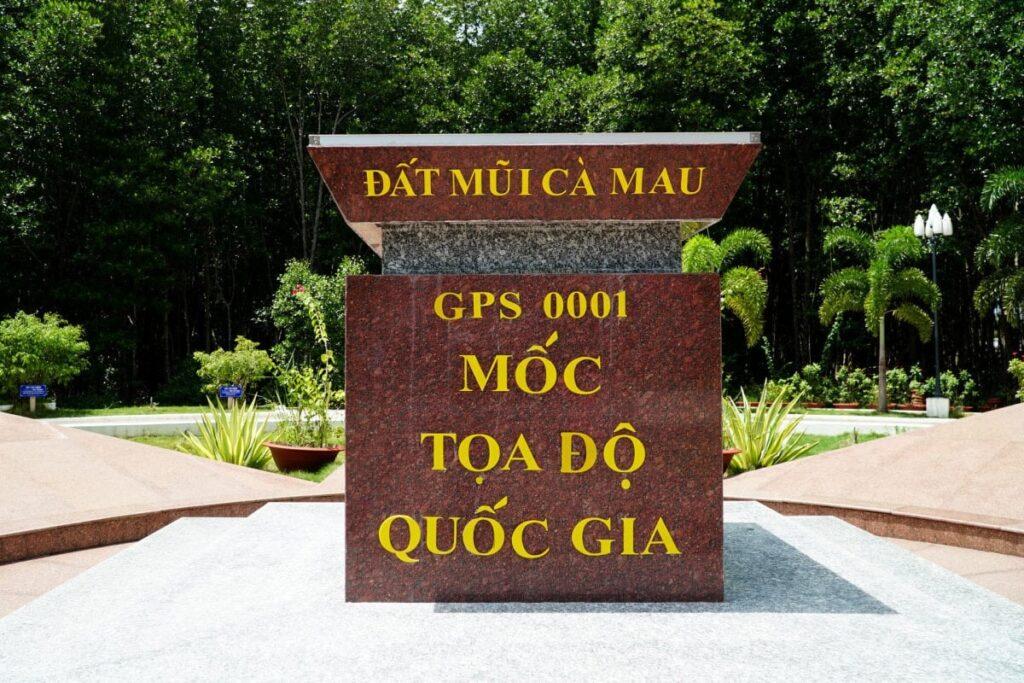
Among the most notable landmarks here is the GPS 0001 Milestone, which marks the beginning of Vietnam’s national coordinate system.
Another important site is the southern endpoint of the Ho Chi Minh Trail, an important historical route that played a critical role during the Vietnam War.
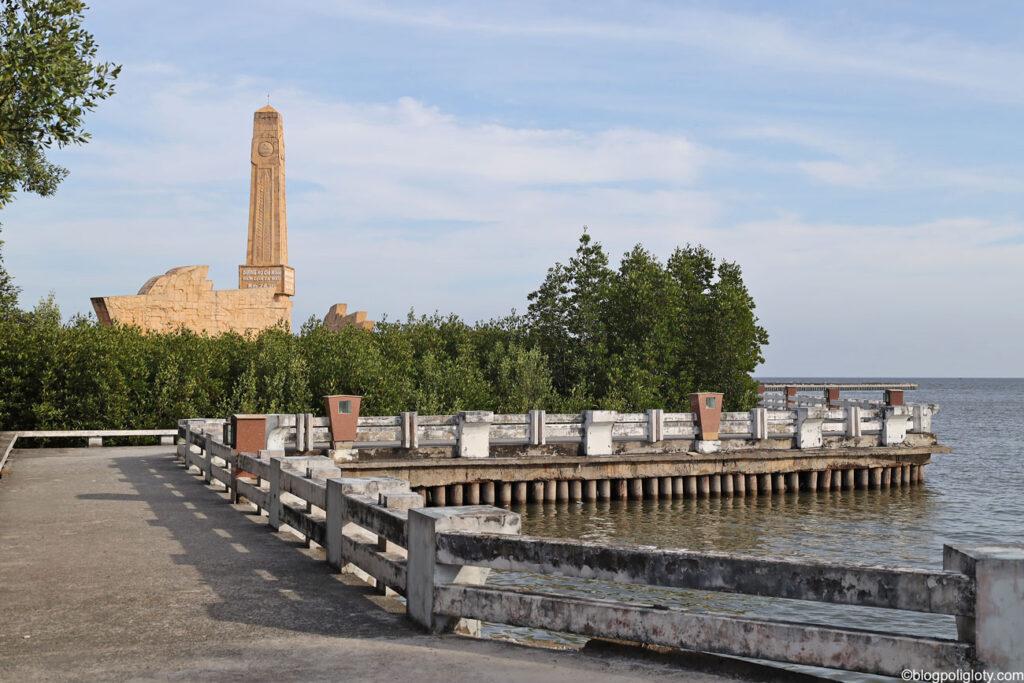
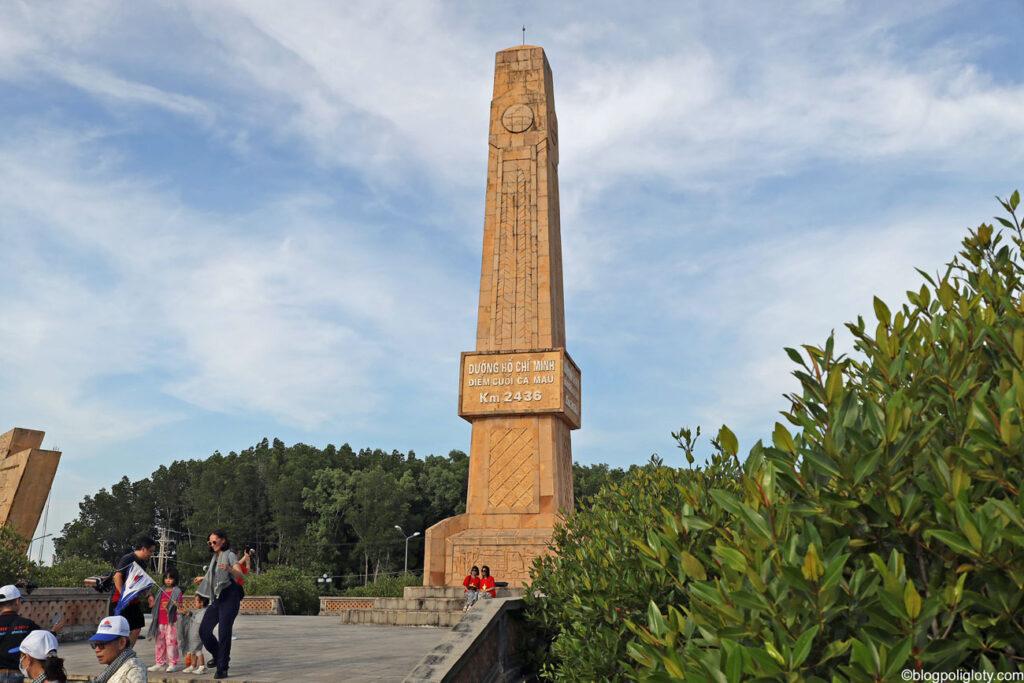
Mui Cà Mau is often included in domestic travel itineraries known as the ‘four extremities’ tours, which connect Vietnam’s furthest geographical points: Lung Cu (north), Mui Doi (east), A Pa Chai (west), and Mui Ca Mau (south). For many Vietnamese, reaching this point is more than just sightseeing – it is seen as a patriotic milestone, a symbolic journey to the very end of the homeland.
Mũi Cà Mau National Park
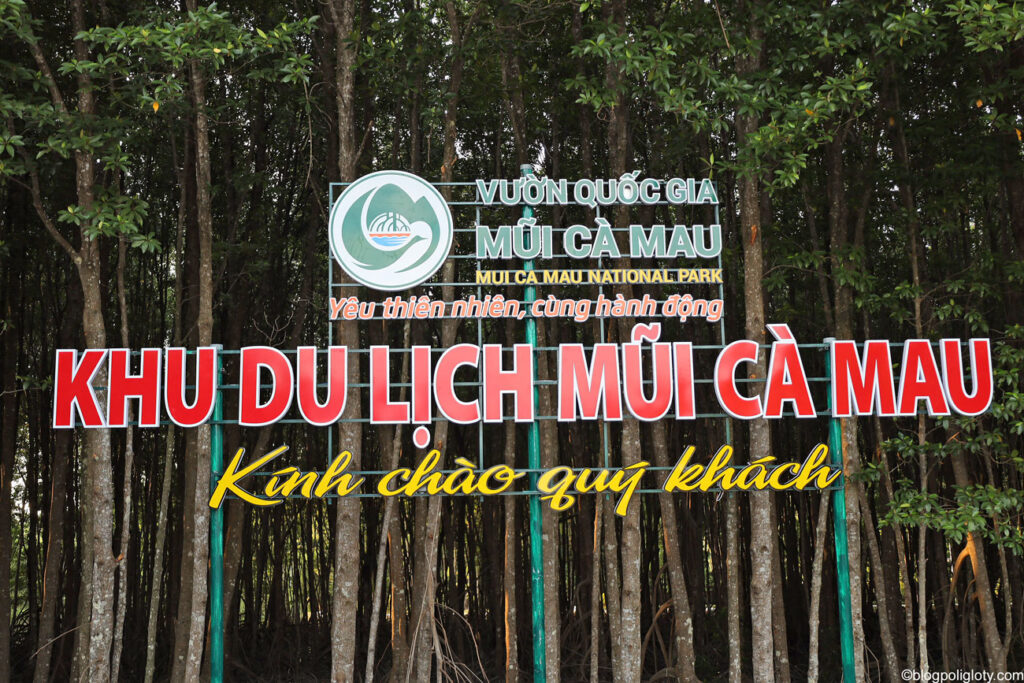
Mũi Cà Mau National Park, located in Vietnam’s Mekong Delta region, covers more than 41,000 hectares of coastal wetlands, estuaries, and dense mangrove forests. It is the largest remaining area of primary mangrove forest in Vietnam and one of the most biologically rich ecosystems in Southeast Asia. Mangroves play a central role in life in Mui Cà Mau National Park, and support hundreds of species of birds and aquatic animals.
The national park was established on July 14, 2003. It has tremendous biodiversity, with 93 species of birds, 26 species of mammals, 43 species of reptiles, 9 species of amphibians, 233 fish species, and many other rare species such as grey-foot pelicans, otters, and black-back box turtles.
Thanks to its ecological significance, the park has been recognized as a UNESCO Biosphere Reserve and was designated a Ramsar site in 2013, acknowledging it as a wetland of international importance.
WWF-Vietnam is collaborating with park authorities at Mui Cà Mau National Park and local ecotourism operators to promote ecotourism as a sustainable alternative to traditional extractive livelihoods such as fishing and logging. By supporting this shift, the initiative is helping to generate new employment opportunities while preserving the region’s natural resources. It has also been providing financial support to the park to install informational signboards, and to publish educational leaflets and posters aimed at raising public awareness about the ecological value of the mangrove ecosystem.
Watch the sunset and sunrise
One of the most memorable experiences at Mui Cà Mau is watching the sunrise and sunset over the sea – a rare privilege made possible by the cape’s position between two major bodies of water.
The best viewing spots are the breakwaters and coastal walkways that extend into the mangrove forests. Early in the morning or late in the afternoon, these areas offer stunning views as the sun casts golden reflections across the wetlands and distant horizon. For photographers and nature lovers, it’s a peaceful and unforgettable way to connect with the natural beauty of Vietnam’s southern frontier.
Conclusion
Cape Cà Mau is a captivating destination that offers visitors a rare opportunity to explore one of Vietnam’s most remote and untouched regions. From its sprawling mangrove forests and rich biodiversity to its symbolic landmarks and coastal culture, this is a place where nature, heritage, and geography come together in harmony. A visit to Mui Cà Mau is both a scenic adventure and a meaningful journey to the southern edge of Vietnam.