
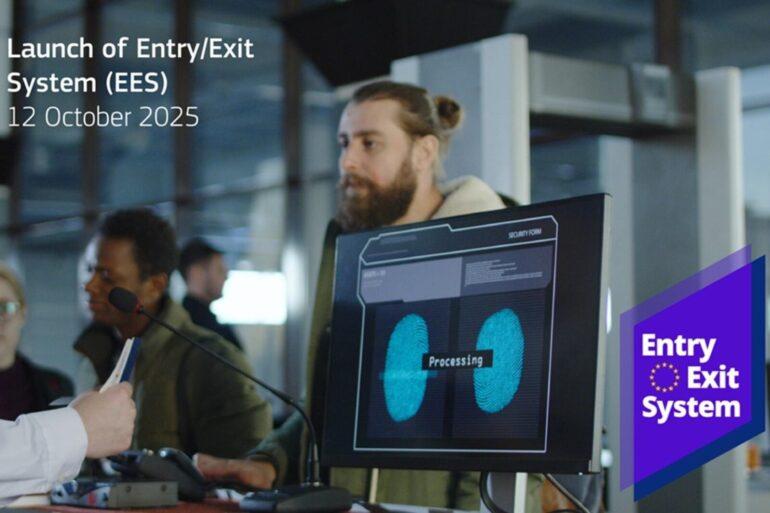
The European Commission has announced that starting from October 12, 2025, the implementation of a new digital system will begin, which will record border crossings for individuals traveling to the EU from third countries. The Entry/Exit System (EES) will replace traditional passport stamps and improve border control in member states.
Komisja Europejska ogłosiła, że od 12 października 2025 roku rozpocznie się wdrażanie nowego systemu cyfrowego, który będzie rejestrował przekraczanie granic przez osoby podróżujące do UE z krajów trzecich. Entry/Exit System (EES) ma zastąpić tradycyjne pieczątki w paszportach i poprawić kontrolę graniczną w państwach członkowskich.
The EES will collect biometric data, such as facial images and fingerprints, as well as other travel-related information for individuals arriving for short stays. Over time, it will replace the current manual entry and exit confirmation system.
EES będzie zbierać dane biometryczne, takie jak zdjęcia twarzy i odciski palców, a także inne informacje dotyczące podróży osób przyjeżdżających na krótki pobyt. Z czasem zastąpi on dotychczasowy system ręcznego potwierdzania wjazdu i wyjazdu.
The data collected in the EES will be available to border guards and relevant authorities, which will help identify cases of illegal overstays, detect fraudulent documents, and prevent abuse of visa-free travel rules.
Dane zgromadzone w EES będą dostępne dla straży granicznej i odpowiednich służb, co pomoże w identyfikacji przypadków nielegalnego przedłużania pobytu, wykrywania fałszywych dokumentów i nadużywania zasad bezwizowego podróżowania.
Travellers will be required to scan their passports or other travel documents at a self-service kiosk each time they cross the external border of the EU. These regulations will not apply to EU citizens, EU residents, or those holding long-term visas.
Podróżni będą musieli skanować swoje paszporty lub inne dokumenty podróży przy automacie samoobsługowym za każdym razem, gdy przekraczają zewnętrzną granicę UE. Przepisy te nie będą dotyczyć obywateli i rezydentów UE ani osób posiadających wizy długoterminowe.
Each border crossing will be recorded. The system will automatically calculate how many days a person can legally stay in the Schengen Area, which will streamline checks and increase convenience for travellers.
Każde przekroczenie granicy zostanie zarejestrowane. System sam obliczy, ile dni dana osoba może legalnie przebywać w strefie Schengen, co ma usprawnić kontrole i zwiększyć wygodę podróżnych.
The EES will cover all Schengen Area countries, including non-EU countries such as Norway, Iceland, Liechtenstein, and Switzerland. However, it will not apply in Ireland and Cyprus, as they are not part of the Schengen Area. The system implementation process will take about six months from the start date.
EES obejmie wszystkie kraje strefy Schengen, w tym państwa spoza UE, takie jak Norwegia, Islandia, Liechtenstein czy Szwajcaria. Nie będzie natomiast obowiązywał w Irlandii i na Cyprze, ponieważ nie są one częścią tej strefy. Proces wdrażania systemu potrwa około sześciu miesięcy od daty rozpoczęcia.
Source: European Commission, Directorate-General for Migration and Home Affairs, 30/07/2025